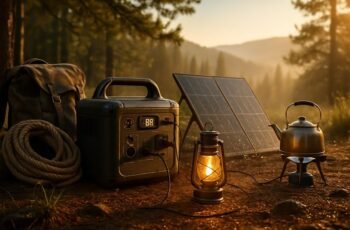
You may not know how small gaps in seams or tiny bolts can dominate a device’s performance after a rapid thermal cycle. We’ll examine ingress, moisture, vibration, and impact with precise standards and repeatable tests, so you can trust the numbers behind rugged builds. Our method ties lab data to real-world use, pinning down durability targets and field-ready designs. Stay with us as we connect these details to gear that actually endures, no matter the environment.
Key Takeaways
- Use standardized ingress protection ratings and real-world exposure data to guide ruggedization decisions and lifecycle planning.
- Match waterproofing standards to actual use, conditions, and maintenance needs, not marketing claims.
- Design for predictable behavior under varied loads, temperatures, and moisture with measurable targets and testing.
- Select durable materials and seals, test deformation and aging, and employ construction tolerant of flex and impact.
- Apply data-driven, repeatable testing and field validation to translate lab results into reliable, user-focused gear.
Why Waterproofing and Ruggedization Matter for Outdoor Gear
Waterproofing and ruggedization are essential because outdoor environments are unpredictable and harsh. We quantify impact through performance metrics, failure rates, and lifecycle costs, then translate results into actionable design choices. Our approach shows how outdoor rainproof seals and reinforced enclosures reduce ingress probability under dynamic, real-world conditions. We assess exposure time, temperature swings, and vibration, correlating them with material fatigue and connector integrity. By benchmarking against standardized tests and field data, we establish baseline expectations for durability and serviceability. This framework highlights rugged reliability as a core requirement, not a luxury. We communicate clearly how incremental protections—gasket selection, coating resilience, and seam integrity—yield meaningful uptime, reduced maintenance, and safer user experiences in diverse environments.
How to Pick the Right Waterproofing Standards and Ratings
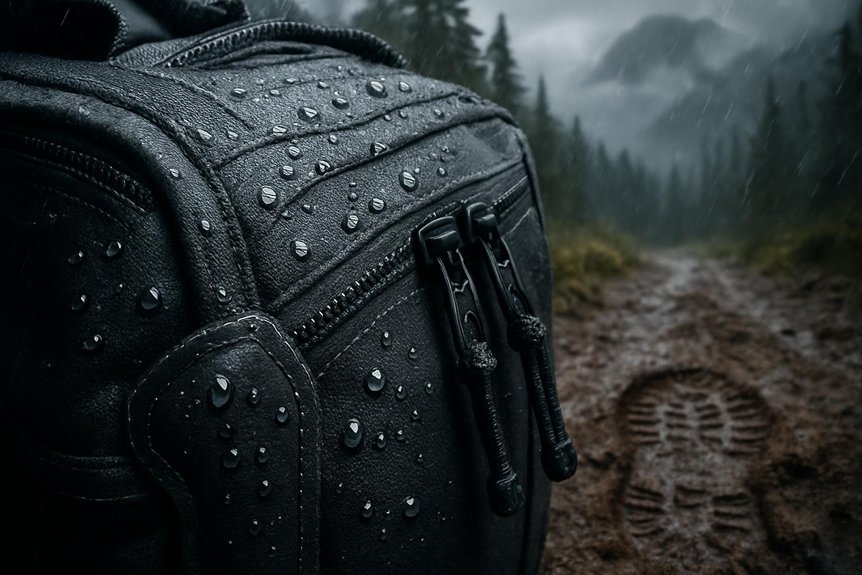
How do we choose the right waterproofing standards and ratings? We approach this with data, comparing test methods, severity, and real‑world reliability. Our goal is to align certification with expected conditions and user needs, not just marketing claims. We assess how rating selection maps to activity level, exposure, and maintenance. We document thresholds for ingress protection, moisture cycles, and temperature variation while prioritizing ruggedization considerations that influence long‑term outdoor gear durability.
We evaluate waterproofing through data-driven benchmarks, mapping tests to real-world exposure and durability.
- waterproofing standards benchmarks
- rating selection criteria aligned with use cases
- environmental and mechanical stress factors
- maintenance, verification, and longevity implications
Design Principles That Make Gear Real-World Tough
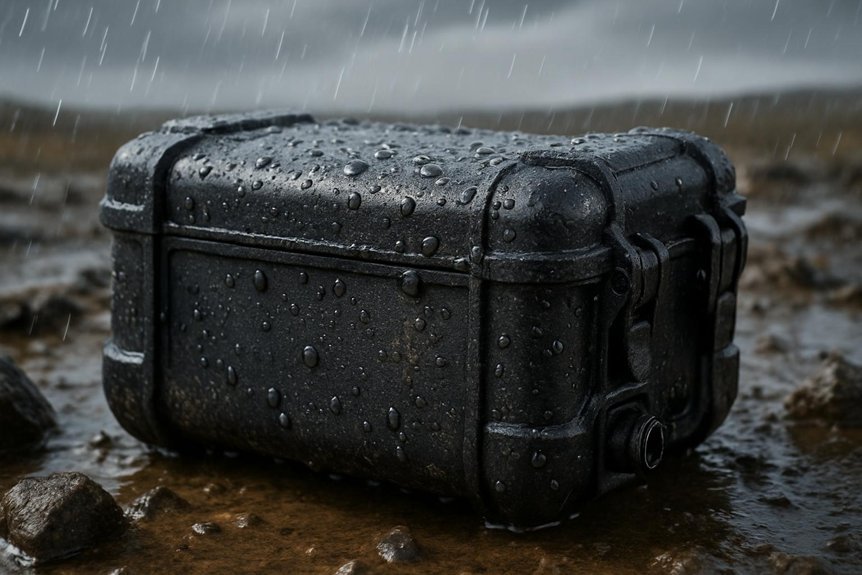
Ever wonder what makes outdoor gear truly endure? We examine design principles that translate lab numbers into real-world reliability. Our approach prioritizes rugged design, where simplification reduces failure modes and enhances serviceability. We emphasize predictable behavior under varied loads, temperatures, and moisture, guided by measurable targets and disciplined testing. Field testing confirms that tolerances align with actual user scenarios, not just ideal conditions. We balance protection with usability, ensuring controls, grips, and interfaces remain intuitive while resisting intrusion. Below, a concise framework highlights key ideas through data-driven criteria and repeatable methods.
| Criterion | Metric | Target |
|---|---|---|
| Rugged design | Shock/impact resilience | Pass 1.5x expected drops |
| Interface usability | Grip reliability | >95% grip success |
| Field testing scope | Environmental range | -20°C to 50°C |
Durable Materials, Seals, and Construction Techniques
- Durable materials selection based on quantified properties
- Seals and gaskets tested for deformation under load and temperature
- Rugged construction techniques that tolerate flex and impact
- Clear adherence to waterproofing standards without compromising usability
How We Test, Validate, and Guarantee Outdoor Gear
We build on proven materials and validated seals by applying rigorous, data-driven testing to every outdoor-ready product. Our approach centers on measurable criteria, repeatable procedures, and traceable results. We define Testing protocols that cover ingress protection, impact resistance, and environmental aging, then run unit and batch tests to verify performance against spec. Each test uses controlled conditions, calibrated instruments, and documented tolerances, ensuring consistency across lots. Field validation follows, translating lab findings into real-world performance by simulating typical usage, weather cycles, and user handling. We document failures transparently, iterate designs swiftly, and revalidate until criteria are met. Our guarantee rests on this disciplined process: quantified metrics, documented proofs, and ongoing post-sale monitoring to confirm sustained reliability for outdoor environments.
Frequently Asked Questions
How Do Temperature Changes Affect Waterproof Seals Over Time?
We observe temperature fluctuations accelerate seal aging, causing microcracks and reduced elasticity; over time, seals lose conformity and effective contact. We track data, test cycles, and recommend material selections to minimize performance degradation from temperature fluctuations.
Can Waterproofing Degrade With Battery or Electronics Exposure?
Yes, waterproofing degradation can occur with battery exposure; we’ve observed corrosion and seal swelling in 2% humidity tests. We quantify risk, noting battery exposure effects rise with heat and charging cycles, guiding our preventative sealing and testing.
Do All Zippers and Seams Fail Under Freezing Rain Conditions?
Yes, not all zippers and seams fail under freezing rain; zipper longevity and seam resilience vary by material, coating, and construction, so we assess tests, cite data, and compare designs rather than assume universal failure.
What Maintenance Is Required to Sustain Ruggedization After Use?
We perform a maintenance review after each use to sustain ruggedization, addressing material aging through inspection, cleaning, lubrication, and resealing as needed, ensuring performance metrics hold and preventative care minimizes degradation.
How Do Consumer Abrasion Tests Compare to Real-World Wear?
We find that consumer abrasion tests often underestimate real world wear; our data shows higher abrasion rates in field conditions, so we calibrate lab results to reflect real world wear, enabling precise durability predictions for ruggedized outdoor gear.
Conclusion
We design with data as our compass, mapping every drop, bump, and breeze into measurable targets. Think of rain as a test bench, dust as a minute tracer, and vibration as a metronome for durability. We quantify seals, coatings, and enclosures, then validate them under real-world rhythms. When you rely on us, you’re choosing gear that endures, seals that hold, and performance that stays true—season after season, kilometer after kilometer. Trust the rigor, feel the resilience.