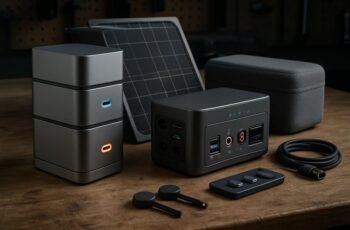
You may not realize how quickly a hidden surge can stress home circuits during an outage, risking overloads even with a good generator. We’ll map essential loads, estimate continuous and peak needs, and plan for startup surges before choosing a backup path. If we size for real, practical use and safety, we’ll avoid costly mistakes and keep you powered through the next outage—and there’s more to it than you might expect. Let’s start with a practical framework.
Key Takeaways
- Assess backup options (generator, battery, hybrid) for reliability, ongoing costs, and installation practicality to meet essential home loads.
- Size the system using real loads, including startup surges and margins for growth and aging.
- Compare performance: generators for long runtimes, batteries for quiet operation, hybrids for automatic switching and efficiency.
- Install with properly rated transfer switches, follow codes, and establish maintenance and safety routines.
- Plan daily use during outages (essential devices, refrigeration, lighting) and conduct post-outage reviews to improve resilience.
Decide Your Backup Approach: Generator, Battery, or Hybrid
When deciding your backup approach, start by outlining your power needs, reliability goals, and budget. We compare generator, battery, and hybrid options with a practical, systematic view. Generators offer long runtime and familiar operation, but require fuel storage, exhaust management, and noise considerations. Batteries provide quiet, instant response, lower maintenance, and modular sizing, yet depend on available charging sources and storage limits. Hybrids blend automatic switching, charging flexibility, and reduced fuel use, but add controller complexity and upfront cost. We base selection on critical load prioritization, cycle life, and installation practicality. We weigh backup reliability against ongoing costs, maintenance, and permit requirements. If noise constraints are tight, batteries or well-insulated hybrids often outperform conventional generators.
Size Your System for Real Home Loads
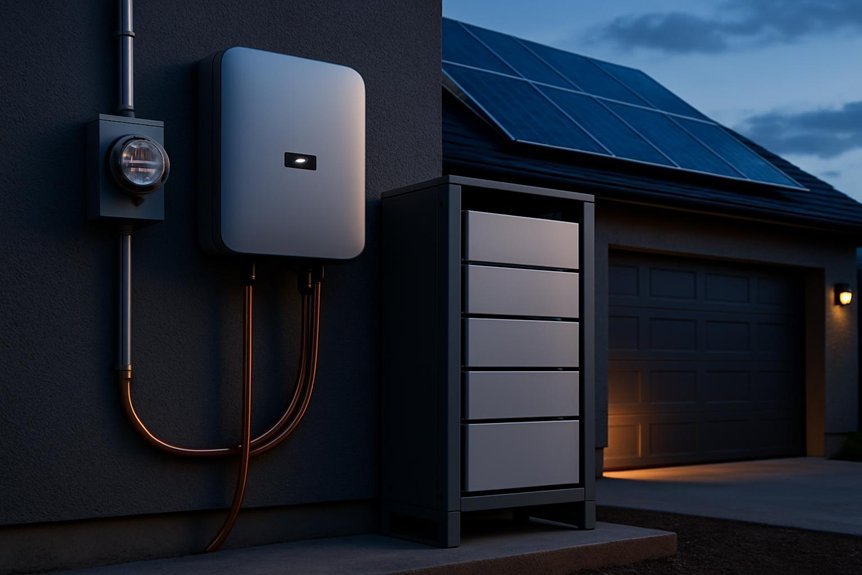
Sizing your system starts with real home loads, not rough guesses. We approach sizing by cataloging essential circuits, appliances, and their startup surges, then translate that into continuous and peak loads. We build a load profile that reflects typical daily usage, not worst-case fantasies, so our system stays reliable without overbuilding. We document every device, categorize into essential versus nonessential, and include inverter and cable losses in the total. We then apply a sensible margin for growth and aging. Critical to this step is estimating diversity—the reality that not all loads run simultaneously. With that insight, we determine the practical size for the backup power source, ensuring sustained operation during outages without oversized hardware. This disciplined method reduces risk and cost.
Compare and Choose: Generators, Batteries, and Hybrids
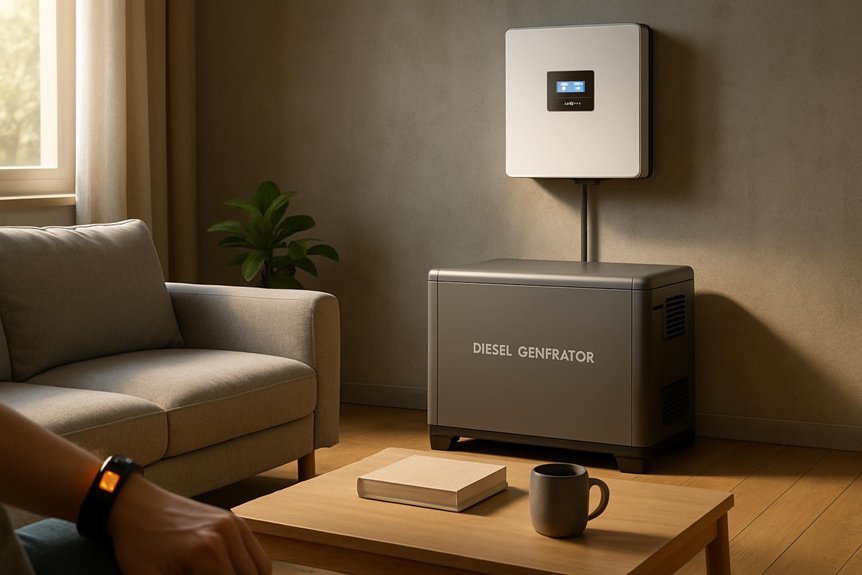
Choosing among generators, batteries, and hybrids requires balancing reliability, cost, and practicality. We’ll compare options in a practical, systematic way, focusing on real-world performance. A generator offers high immediate output and long runtime with fuel, ideal for cold weather surges, but it incurs fuel logistics and maintenance. Batteries provide quiet, clean operation and can be paired with solar, yet their total battery capacity limits short outages unless scaled large. Hybrids blend both approaches, smoothing transitions with automatic switching and managed cycling. When we do a generator comparison, we examine peak wattage, fuel availability, and maintenance intervals. For battery capacity, we assess usable energy, depth of discharge, and lifecycle. Our goal is transparent, data-driven guidance that matches loads, budgets, and reliability needs.
Install Safely: Transfer Switches, Codes, and Maintenance
Installing a safe, compliant backup system means we set up transfer switches, follow codes, and nail down maintenance routines. We’ll choose properly rated transfer switches that isolate your home’s circuits from the grid, preventing backfeed and protecting line workers. Adhere to maintenance codes by documenting inspections, testing, and component replacements on a regular schedule. We audit generator input, battery health, and inverter connections, verifying ground fault protection and proper bonding. Wiring paths should be labeled, and emergency power paths configured to avoid accidental energizing of unused circuits. Establish a routine for seasonal pre-storm checks, including coolant, battery voltage, and fuel stability. We prioritize backups safety by keeping manuals, permits, and testing logs accessible for inspectors and homeowners alike.
Use Scenarios: Safety, Costs, and Daily Life During Outages
What happens when the power goes out, and how do we stay safe, control costs, and keep daily life functional? We outline practical scenarios to minimize risk, manage expenses, and preserve routine. We lean on safety training and a cost benefit analysis to shape decisions before, during, and after outages.
- Safety training priorities: what to do first, who to alert, and how to evacuate if needed
- System response: generator use, transfer switch coordination, and load management
- Cost implications: fuel, maintenance, and potential insurance considerations
- Daily life continuity: powering essential devices, refrigeration, lighting, and communications
- Post-outage review: performance checks, lessons learned, and improvements
We stay systematic, concise, and actionable for steady resilience.
Frequently Asked Questions
How Long Can a Backup Power System Run on Battery Only?
We can run on battery only for hours to days, depending on load. We estimate battery longevity with precise discharge, then size the inverter correctly, ensuring safe operation and efficient performance for our backup goals.
Do In-Home Generators Require Permits or Inspections?
Yes—we require permitting and inspections for in-home generators. Permitting requirements vary by locality, and we must meet inspection standards before operation. Think of it as a safety net, ensuring code compliance, reliability, and proper integration with your electrical system.
Can Solar + Battery Systems Cover All Critical Loads?
We can’t guarantee all critical loads with solar + battery systems; it depends on load sizing, inverter capacity, and battery chemistry. We recommend evaluating solar incentives, system design, and storage strategy to cover essential loads reliably.
What Maintenance Schedule Keeps Hybrids Reliable Long-Term?
We maintain hybrids with strict maintenance scheduling and reliability testing, ensuring risks are politely anticipated and managed. We monitor cycles, fluid health, and cooling; we schedule inspections quarterly, diagnostics annually, and prompt recalibrations when performance drifts.
How Do Weather Events Affect Transfer Switch Performance?
Weather events can reduce transfer switch reliability due to voltage swings and arcing; we monitor for weather related switch reliability and grid instability resilience, implement surge protection, and schedule robust testing to maintain safe, automatic transfer operations.
Conclusion
We chart our course like a ship with a trusted compass, steering through outages toward steady lights and warm kitchens. Think of our system as a garden: we plant sensible loads, prune unnecessary surges, and harvest reliability daily. Our transfer switches are the pier, keeping lines honest and safe. With regular checks, drills, and honest reviews, we weather the dark as a trained crew—calm, precise, prepared. The harbor of continuity awaits whenever power fades.