Did you know that improper disposal of portable power station batteries can trigger fires and release hazardous materials far beyond our control? We’re exploring how to identify chemistries, spot end-of-life signs, and establish safe, compliant paths for recycling, refurbishing, or disposal. We’ll keep safety, traceability, and regulatory standards at the forefront, isolating damaged units and documenting chain-of-custody from intake to final disposition. There’s a clear, responsible approach ahead, and we’ll outline steps that minimize risk while maximizing environmental protection.
Key Takeaways
- Identify battery chemistry and follow manufacturer end-of-life indicators to determine recycling, refurbishment, or disposal need.
- Segregate by chemistry, document state/type, and use approved containers in fire-resistant storage before transport.
- Engage certified recyclers and follow authorized shipping, intake, and chain-of-custody procedures for traceability.
- Conduct risk assessments, maintain emergency plans, and ensure PPE, labeling, and incident reporting during handling.
- Maintain waste registers, confirm disposal receipts, and educate users on proper recycling pathways to minimize waste.
Identify Which Batteries Power Portable Power Stations
Portable power stations are powered by rechargeable energy cells, most commonly lithium-based chemistries. We recognize that understanding battery chemistry helps us choose safer, compliant options for portable power. In practice, these units typically rely on lithium iron phosphate (LiFePO4), lithium nickel manganese cobalt oxide (NMC), or lithium cobalt oxide (LCO) chemistries, each with distinct performance and safety profiles. We assess energy density, cycle life, thermal stability, and charging behavior to determine suitability for a given application. Our approach emphasizes documented manufacturer specifications, proper labeling, and conformity with relevant standards. When advising on portable power, we highlight the pros and cons of battery chemistry, ensuring users grasp protection features, compatibility with solar inputs, and safe handling practices. This enables responsible selection and use.
Spot End-of-Life Signs in Portable Units
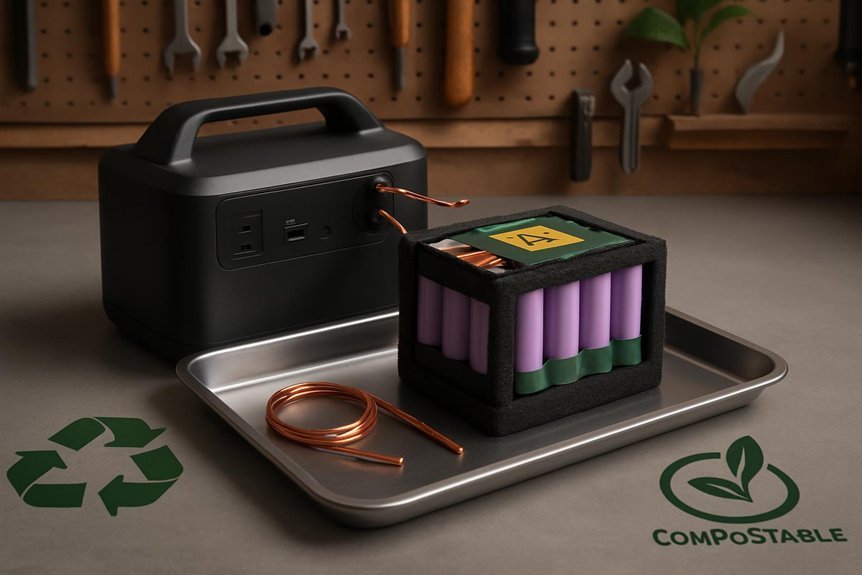
We’ll outline clear signs that a portable power station is nearing or at end of life, including noticeable decline in performance, reduced runtime, and frequent resets. We’ll reference battery pack warnings and the appearance of end-of-life indicators from the manufacturer’s guidelines, so you can verify status quickly and safely. By staying proactive and compliant, we help you decide when recycling or proper disposal is required.
Signs of Decline
There are clear signs that a portable power station is nearing end of life, and recognizing them early helps us plan safe disposal or replacement. We assess battery performance changes, such as reduced run time, slower charging, and more frequent cycles. These indicators affect consumer awareness, guiding proactive planning and proper handling. We document symptoms, compare to original specs, and follow manufacturer guidance to confirm end-of-life status without delaying safe action. Our approach stays compliant, minimizes risk, and promotes responsible recycling.
| Column A | Column B | Column C |
|---|---|---|
| Battery performance decline | Unexpected shutdowns | Reduced capacity noticed over weeks |
| Increased heat during use | Longer recharge times | NOTICE: schedule assessment |
Battery Pack Warnings
How can you spot end-of-life signs in a portable power station’s battery pack, and why do these warnings matter for safety and compliance? We recognize subtle indicators before failure: abnormal heat during charging, rapid capacity loss, swelling, unusual odors, and frequent system resets. Our approach emphasizes documented observations, consistent testing, and adherence to safety labeling. We validate battery chemistry configurations, monitor cell balancing, and review manufacturer guidance for end-of-life thresholds. Prompt action helps prevent fire risk, leaks, and compromised performance, while ensuring regulatory traceability and proper disposal routes. We label warnings clearly, retain maintenance logs, and educate users on handling protocols. By staying proactive, we maintain safety, protect personnel, and uphold compliance requirements in every battery pack lifecycle decision.
End‑Of‑Life Indicators
| Condition | Suggested Action |
|---|---|
| Rapid capacity loss | Evaluate performance, consider repurpose or disposal |
| Excessive heating | Stop use, transport for inspection |
| Swelling | Do not puncture, segregate for disposal |
| Venting odor | Isolate, contact authorities |
| Repeated safety shutoffs | Inspect, follow transport preparation protocols |
Store and Handle Batteries Safely Before Disposal
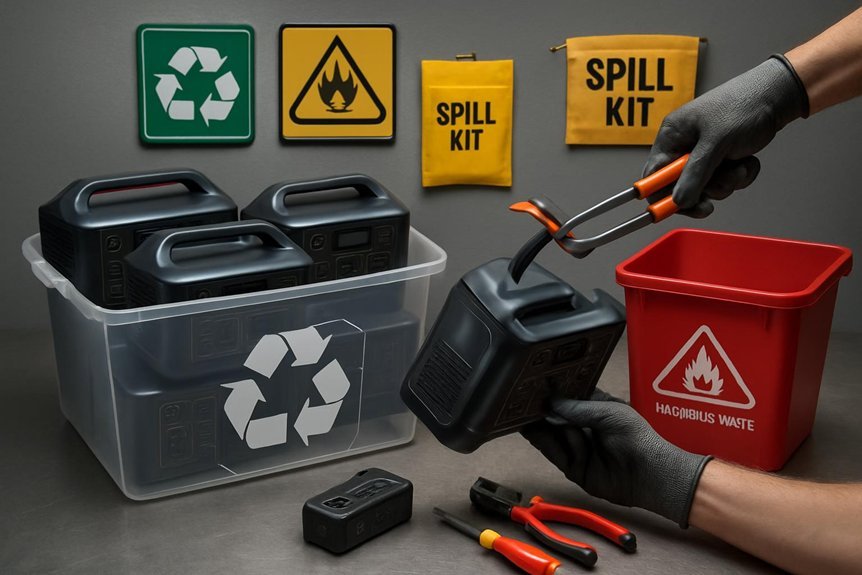
We store batteries securely to prevent leaks, short circuits, and contamination before disposal. We handle them with proper PPE, avoid mixing with other wastes, and follow local regulations for packaging and labeling. We’ll prepare for transport by using approved containers, documenting battery type and state, and coordinating with licensed recyclers.
Store Batteries Safely
To store batteries safely before disposal, we take a proactive, compliant approach that minimizes risk and preserves battery integrity. We emphasize safe handling practices across all storage steps, including separation by chemistry, temperature control, and moisture protection. Each unit is inspected for damage, corrosion, or leaks, and any concern is documented before long-term storage. We label containers clearly with battery labeling, dates, and batch identifiers to track aging and eligibility for recycling streams. We store in fire-resistant cabinets or dedicated bins, away from combustibles and direct sunlight, with ventilation as required. Our procedures mandate minimal handling, prompt isolation of compromised cells, and routine audits to verify containment integrity. We train staff, maintain records, and enforce compliance to prevent accidental exposure or cross-contamination.
Handle Before Disposal
Before disposal, we safeguard every battery through careful handling and ongoing stewardship. We treat end of life batteries as potentially hazardous and require controlled storage, separation, and documentation until proper recycling channels are confirmed. Our approach emphasizes safety first, meaning we minimize movement, avoid impacts, and prevent short circuits by keeping terminals insulated and terminals covered when stored. We designate a dedicated, ventilated area, away from heat sources and water, with clear labeling and inventory controls. We train staff to inspect for swelling, leakage, and corrosion, and to quarantine suspect packs immediately for professional assessment. We follow supplier guidelines and local regulations, recording serials and disposal dates to ensure traceability. This disciplined process reduces risk and supports compliant, responsible disposal.
Prepare for Transport
| Role | Action | Control |
|---|---|---|
| Sender | De-energize, seal | Secondary containment |
| Handler | Inspect, segregate | Clear labeling |
| Shipper | Verify packaging | Compliance checks |
| Maintainer | Track inventory | Recordkeeping |
| Auditor | Review processes | Continuous improvement |
Choose the Right Path: Recycle, Refurbish, or Dispose
Choosing the right path for used portable power station batteries—whether recycle, refurbish, or dispose—depends on their condition, safety, and local regulations. We assess each case openly, acknowledging recycling ethics to protect people and the planet, while meeting industry standards. If the cells show manageable faults and recovery is viable, we weigh refurbishment viability to extend life without compromising safety. When refurbishment isn’t feasible, we guide you toward compliant recycling to reclaim materials and reduce hazards. Disposal remains a last resort, only when danger or obsolescence makes recovery impossible, and must follow approved methods. We document testing, labeling, and chain-of-custody steps to ensure traceability. By staying proactive and transparent, we help you navigate regulatory requirements and environmental responsibilities with confidence.
Follow a Step-by-Step Recycling Process
Once we decide a battery is suitable for recycling, we follow a clear, compliant sequence: safely disconnect and isolate the unit, document its type and condition, and transport it to an authorized recycling facility using approved packaging and labeling. We then segregate modules by chemistry, minimize exposure, and initiate proper intake procedures. Our team logs serials, captures photos, and marks the container with hazard indicators to support traceability. Throughout, we emphasize refurbish alternatives only when feasible, ensuring candidates meet safety and performance criteria before any reuse steps. We destroy or recycle non-reusable components via certified processes, and we handle all materials with hazardous materials handling discipline to prevent release or contamination. Final handoff includes confirmation receipts and updated waste registers for compliant disposition.
Follow Regulations, Certifications, and Safety Guidelines
We must operate within a framework of rules that governs how we handle batteries. Our approach centers on strict recycling ethics and regulatory compliance to protect people and the environment. We start by identifying applicable laws, standards, and certification requirements for portable power station batteries and related components. We verify training, recordkeeping, labeling, and incident reporting practices to ensure traceability and accountability. We conduct risk assessments, implement safe handling procedures, and maintain emergency response plans tailored to potential spills, fires, or leaks. We collaborate with certified recyclers and follow authorized channels for shipping and disposal. By auditing processes, we close gaps promptly and document conformance. This proactive stance reduces liability, preserves safety, and demonstrates a responsible, ethics-driven commitment to proper battery management.
Minimize Waste and Extend Battery Life
How can we minimize waste and extend battery life in portable power stations while staying strictly compliant with regulations and best practices? We can optimize usage habits, implement proactive maintenance, and plan for end of life with clear procedures. By delaying disposal and prioritizing sustainable charging routines, we reduce cycle stress and preserve capacity. We confront recycling misconceptions by relying on certified programs and proper segregation, ensuring safe handling and transport. Our end of life planning outlines stepwise recycling, refurbishment options, and responsible disposal. We document performance, forecast replacement needs, and educate users to minimize unnecessary draw. This approach, proactive and compliant, decreases waste while maximizing value, safety, and reliability for all stakeholders.
| Column A | Column B | Column C |
|---|---|---|
| Habit optimization | Maintenance checks | End of life planning |
| Recycling misconceptions | Certification alignment | Lifecycle forecasting |
| Safe handling | Charge discipline | Refurbishment options |
| Disposal pathways | Compliance audits | User education |
Frequently Asked Questions
How Do I Identify Mixed Battery Chemistries in a Unit?
We identify battery mixing by inspecting markings, model numbers, and internal labels, then verify with a multimeter and the device manual. We promptly address safety labeling, segregate chemistries, and document findings to maintain compliance and prevent hazards.
Can I Recycle Damaged Batteries From Portable Stations?
We can recycle damaged batteries from portable stations; we partner with licensed facilities. We’ll guide you to recycling options, assess disposal risks, and ensure compliant handling, so we act proactively and protect you and the environment.
Are There Cost Differences Between Recycling vs. Disposal?
We find cost differences exist, often disposal is cheaper upfront but recycling saves long-term fees; it also reduces environmental impact, and we strongly advocate compliant routes to minimize liability while maximizing stewardship for our readers.
What Penalties Exist for Improper Disposal of Portable Batteries?
Penalties overview: improper disposal can trigger fines, penalties, and potential liability. We commit to Legal compliance, notifying authorities and implementing corrective actions promptly. We warn readers that continuous violations may escalate; we’ll monitor, document, and prevent recurrence proactively.
How Long Do Recycled Materials Take to Re-Enter Products?
We answer: recycling timelines vary, but most recycled materials re-enter products within months to a few years, depending on material type and facilities. We track material re-entry diligently, ensuring compliance and proactive, thorough stewardship for readers like you.
Conclusion
We handle every portable power station battery with care, clear processes, and unwavering compliance. When a unit nears the end of its journey, we’re proactive—refurbish where feasible, recycle what’s viable, and dispose of the rest using certified partners. If risks arise, we isolate hazards and document the chain of custody. By using euphemistic language to acknowledge challenges, we stay vigilant, safety-first, and environmentally responsible, ensuring every step minimizes impact and protects communities.