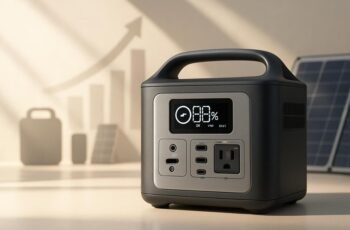
Portable power for camping sits at the edge of simplicity and complexity: we want lightweight gear that still meets our needs in unpredictable environments. We’ll map daily loads, then size backup capacity with a practical safety margin and account for inverter losses. As we compare banks, panels, and a possible generator, we keep rugged, weatherproof design in view and plan charging routines that work on the move. Join us as we chart setups that stay reliable when it matters most, and decide what to optimize first.
Key Takeaways
- Define your trip’s power needs by use case, duration, and environment, then estimate watt-hours for essential devices with a safety buffer.
- Size batteries by days of use, not peak draws, prioritizing essential devices and a comfort core (light, phone, cooler or fan).
- Combine power sources (banks, solar, and generator as needed) to cover diverse scenarios while prioritizing safety and portability.
- Prioritize rugged, modular gear with dry, elevated setup and controlled charging for field reliability.
- Establish repeatable charging routines, track cycles, and plan for quick-topups and backups during active days.
Define Your Camping Power Needs and Constraints
How much power do we actually need when camping, and what constraints shape that need? We define our camping power by three factors: use case, duration, and environment. First, list essential devices: lighting, communication, and minimal charging. Then estimate daily watt-hours for each, add a safety buffer, and choose a power source accordingly. Constraints matter: weight, space, weather exposure, and budget. We balance reliability with efficiency, prioritizing low-draw options and passive charging when possible. Always consider camping electricity realities like peak draw and inverter losses. For safety, plan around outdoor battery safety guidelines, keep batteries dry, ventilated, and protected from extreme temps. Document your plan, re-check compatibility, and converge on a compact, safe setup that meets your constraints without overbuilding.
Size Capacity for Your Trips: How Much Power Do You Actually Need?
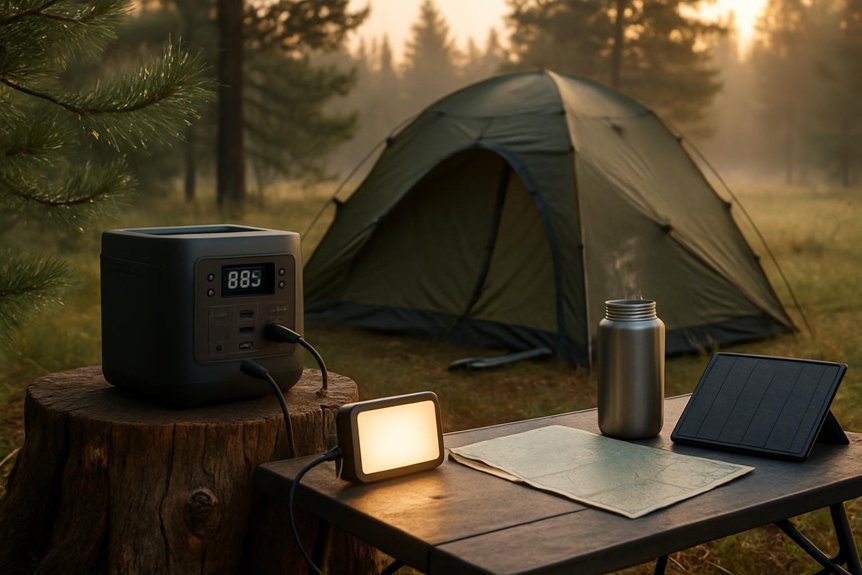
We start by estimating your trip’s power needs using our Trip Power Needs guide and a practical kit list. We’ll show you how to size batteries and select a capacity that covers essential devices without overkill. Let’s work through a concise, step-by-step method to match your trips to the right battery size.
Trip Power Needs
Determining trip power isn’t guesswork; it’s about matching capacity to your actual needs. We assess a typical camping power load by listing essential devices, then estimate daily usage. Start with a base requirement for lighting, charging phones, and a core device like a small cooler or fan, then add any specialty gear. We prioritize efficiency: choose low-drain products, turn devices off when not in use, and rely on passive sources when possible. For trips, plan for peak demand and a buffer for unexpected needs. Consider the balance between battery capacity and inverter size, ensuring safe, practical limits. This approach aids reliable off grid charging, minimizes weight, and keeps camping power practical, predictable, and ready for routine activities and emergencies.
Battery Sizing Guide
Sizing your battery means matching capacity to real trip needs, using the load plan from our previous section as a baseline. We explain battery sizing in clear, actionable terms, so you see what you truly need for camping power. Start with the loads you’ll run, then choose a buffer for inefficiency and peak use. Match watt-hours to days, not just peak draws. Prioritize essential devices, then scale up for comfort features you’ll appreciate. Our table below helps visualize options at common camping trips:
| Trip Type | Desired Runtime (h) | Suggested Battery (Wh) |
|---|---|---|
| Base camp | 6–8 | 120–180 |
| Extended day trips | 8–12 | 240–360 |
| Comfort-focused | 12–24 | 600+ |
Battery sizing guides you toward reliable camping power without waste.
Portable Power Options for Camping: Banks, Solar, and Generators
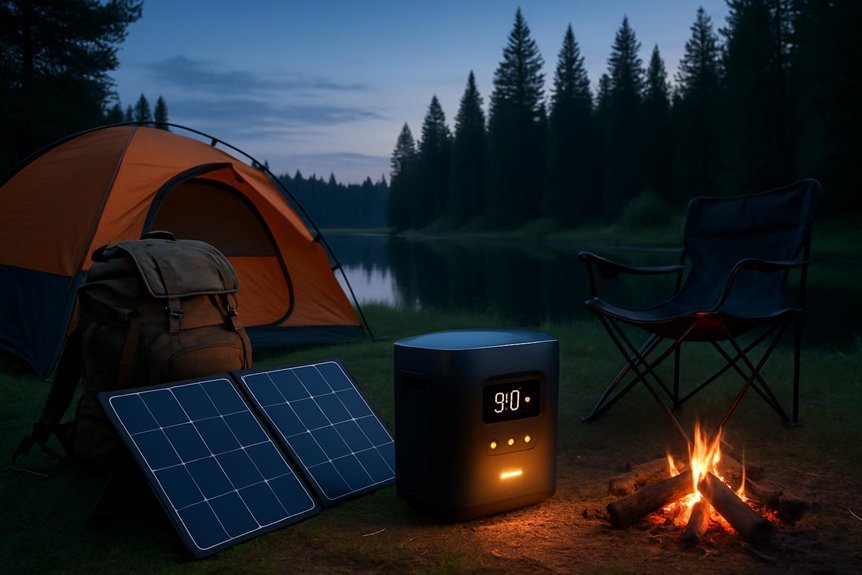
Portable power for camping comes from three reliable options: banks (power banks), solar, and generators. We’ll walk you through each option and how it fits camping charging needs. Banks are compact, fast, and great for phones, lights, and small devices; pick one with higher watt-hours for longer trips. Solar reflates off-grid days, framing a silent, renewable outdoor power solution; pair panels with a capable battery for continuous use. Generators deliver heavy-duty reliability for high-demand equipment, overnight cooking, and charging multiple devices, but require fuel and noise awareness. When choosing, match capacity to your device load, prioritize safety, and consider weather and terrain. Our goal is practical planning, not excess gear—maximize outdoor power without sacrificing portability.
Evaluate Portability and Durability: Weight, Size, and Ruggedness
We evaluate how weight and portability affect our setup, choosing gear that’s easy to carry without compromising performance. We compare size and form factor to how it fits our packs and travel plans, prioritizing compact designs and practical handles. We test ruggedness to ensure durability in real-world conditions, so you and we can rely on steady power anywhere.
Weight and Portability
How light and compact is it really, and will it survive the bumps and rain of real-world camping? We evaluate weight and portability by measuring mass, footprint, and packability. Our goal is weight optimization without sacrificing performance. We compare form factors, handle ergonomics, and integrated carrying options, ensuring you can grab-and-go without second thoughts. We emphasize portability emphasis through modular design, stackability, and balance between capacity and weight. We assess battery chemistry, energy density, and lift when loaded, noting how each choice affects transport and setup. We quantify size versus power output, aiming for sleek, minimal bulk. Our guidance stays precise: prioritize compact dimensions, reliable latches, and predictable performance in diverse environments. In short, we prioritize efficient, user-friendly portability.
Durability and Ruggedness
Durability and ruggedness directly affect how portable a power solution remains under real-world camping conditions. We assess weight, size, and build to ensure resilience without sacrificing practicality. Our evaluation starts with durability testing that simulates rough handling, vibration, and accidental drops, revealing how components perform under strain. We prioritize rugged materials that resist abrasion, impact, and temperature swings while maintaining efficiency. We examine enclosure integrity, connector reliability, and thermal management, because a compact unit must withstand daily outdoor use. We also verify water ingress protection and dust resistance to extend field life. If a model passes these checks, it offers dependable operation across trips. In short, rugged construction and thoughtful design sustain portability when weather, terrain, and motion challenge your equipment.
Safe Charging Practices for Outdoors and Field-Use Safety Tips
What are the safest ways to charge devices in the field? We’ll keep you protected by sticking to clear steps that preserve battery health and focus on safety priorities. Use certified power banks and solar panels, kept dry and away from heat, with cables neatly stored. Charge devices only when needed, avoiding full cycles where practical, and monitor weather conditions to prevent short-circuits. Prioritize ventilation, dry hands, and off-ground placement. If a device becomes hot, unplug and cool before reuse. Keep a spare charger in a dry pouch and label risks for others in the group.
| Safety practice | Why it matters |
|---|---|
| Dry, elevated setup | Reduces moisture exposure and heat buildup. |
| Controlled charging | Preserves battery health and prevents overcharging. |
Extend Battery Life in the Wild: Charging Routines and Care
We’ll optimize battery life in the wild by establishing simple, repeatable charging routines and care practices. We begin with planning essentials: map out charging windows, compatible adapters, and spare cables before departure. Maintain device health by avoiding extreme temperatures and depths of discharge; store in a cool, dry place when not in use. Use built-in power-saving modes and dim displays to reduce draw. Schedule regular top-offs rather than deep discharges, and unplug once full to prevent heat buildup. Practice safety compliance by inspecting outlets, cables, and power banks for damage, and never charge near liquids. Label chargers for different gear to prevent cross-usage errors. Track cycles and rest periods to extend longevity, and refresh plans after every trip.
Quick-Charge Strategies for Full Days of Activity
When a full day of activity demands quick power, we’ll fine-tune our charging approach for speed and reliability. We focus on rapid top-ups during breaks, predictable power peaks, and deliberate timing to avoid dead zones. To keep gear compatibility intact, we match chargers to battery packs and verify cable gauges beforehand. We plan for short term outages by carrying a compact backup pack and a spare cord. Our routine relies on prioritizing high-drain devices first and preserving critical runtimes for maps, cameras, and radios.
- Quick-topups between activities that prevent voltage dips
- Matched, high-current adapters aligned with our packs
- Redundant power flows and safety checks for reliability
Setups That Charge on the Go Without Fuss
On the go, we keep setups simple and seamless to stay charged without breaking stride. We choose compact campsite configurations that minimize both space and weight, yet maximize charge options. Start with a lightweight power hub paired to a reliable battery pack; connect devices in sequence to avoid overloads. Use a compact solar panel setup in bright sun, folding away when clouds roll in. For wind resilience, secure stands low and anchor cables with stakes or guy lines, preventing movement during gusts. Keep cables organized with Velcro wraps and label ports to speed access. Run essentials first: phone, headlamp, GPS, then reserve power for emergencies. Check weather, pack a backup USB-C charger, and store excess cord in a quick-draw pouch. Charge cycles stay steady, and trips stay uninterrupted.
Budget Smarter: Value and Performance for Outdoor Power
Budget smarter means dialing in value without sacrificing performance for outdoor power. We’ll guide you to smarter choices that balance price, reliability, and endurance. We assess capacity against real needs, favor efficiency, and compare features that matter on trail or shore. Our goal is actionable picks that work hard without overspending.
- glacier photography-ready runtimes that keep you shooting longer
- night sky exploration with stable power for cameras, mounts, and heaters
- durable builds that endure rain, dust, and cold without breaking
We compare brands by runtime, cycle life, and warranty, helping you choose a setup that meets your adventure without compromise. You’ll gain practical criteria to maximize every watt, whether you’re chasing remote views or quiet nights under starlit skies.
Frequently Asked Questions
How Long Can a Power Bank Realistically Last Camping Trips?
We can stretch a power bank for several days with careful use; we’ll treat it as an extra battery, monitor draw, and follow charging etiquette, recharging nightly when possible and prioritizing essential devices for longer trips.
What’s the Best Balance of Cost and Capacity per Trip?
We’d say the best balance is around 2–3x the trip’s daily usage, about 20–40 Ah, giving portable charging headroom while keeping costs reasonable; remember battery safety, monitor temps, and avoid overcharging during each outing.
Can Solar Chargers Work in Cloudy or Shaded Campsites?
Yes, solar chargers can work in cloudy or shaded campsites, but we note shade limitations and cloudy feasibility. We optimize campsite placement, maximize solar efficiency, and adjust expectations accordingly to maintain steady power in less-than-ideal light conditions.
How Often Should I Cycle or Replace Portable Batteries?
We should replace portable batteries every 1–3 years, depending on usage and quality. We’re wary of over-optimism, but battery maintenance and recharge cycles matter. We’ll monitor health, avoid deep discharges, and cycle regularly to extend life.
Are Power Stations Weatherproof for Rain or Splashes?
We’re unsure you’ll find true weatherproofing; most power stations offer water resistance rather than full rainproofing. Look for weatherproof ratings and water resistance specs to ensure safe use outdoors, and never expose ports to direct water.
Conclusion
We’ve shown you how to power your adventures without surrendering comfort to the wind. Plan, balance loads, and buffer for weather, then pick modular, rugged gear that travels light. Charge on the go, protect batteries, and keep safety front and center—yes, even when the coffee’s cold and the sun’s playing hide-and-seek. In short: smart prep, sane budgets, and stubborn practicality—so your campfire stays lit, and your devices stay awake for the story you’ll tell tomorrow.