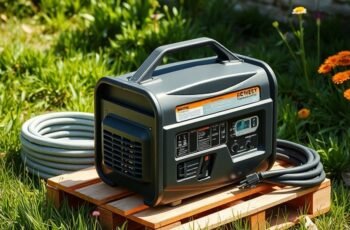
In environments where dust is prevalent, ensuring our portable power devices can withstand particulate ingress is critical for maintaining operational integrity. We recognize that dust can compromise internal components, reduce efficiency, and shorten device lifespan. As technology advances, selecting appropriate dust-resistant features becomes more complex yet essential. Exploring effective protection strategies and understanding the nuances of dust mitigation can substantially impact device reliability—an area that warrants closer examination to optimize performance under challenging conditions.
Key Takeaways
- Use high IP-rated sealed enclosures to prevent dust ingress in portable power devices.
- Incorporate filters and ventilation management to balance cooling and dust protection.
- Regularly inspect and maintain seals, vents, and filters to ensure ongoing dust resistance.
- Utilize dust-repellent coatings and rugged materials to enhance durability in harsh environments.
- Design devices with minimal openings and wireless charging to reduce dust entry points.
How Dust Can Damage Your Portable Power Devices
Dust can infiltrate portable power devices through vents, seams, and openings, leading to internal contamination that compromises their functionality. Dust accumulation obstructs essential airflow management, reducing cooling efficiency and causing overheating. As airflow pathways become blocked, heat dissipation diminishes, placing stress on internal components like batteries, circuit boards, and connectors. Over time, this can result in corrosion, electrical shorts, or component failure. Proper understanding of dust ingress pathways highlights the importance of sealing vulnerabilities and maintaining clear airflow channels. Effective dust protection strategies must prioritize minimizing dust entry points and ensuring unobstructed airflow. Without these measures, dust buildup accelerates wear and reduces device longevity, ultimately undermining reliability and operational performance of portable power solutions.
Choosing the Right Dust-Resistant Portable Power Solutions
Selecting the appropriate dust-resistant portable power solutions requires a thorough assessment of environmental conditions and device specifications. We must consider factors like exposure level and device usage to maximize battery longevity and charging efficiency. For instance, rugged environments demand sealed enclosures that minimize dust ingress, directly impacting battery lifespan. The table below compares key characteristics:
| Feature | Impact on Battery Longevity | Effect on Charging Efficiency |
|---|---|---|
| Sealing and IP Rating | Reduces dust interference, prolongs battery life | Ensures consistent charging; prevents dust-related faults |
| Ventilation Design | Balances cooling with dust prevention | Maintains stable charging temperatures |
| Material Durability | Protects internal components, extends device lifespan | Prevents dust-induced damage affecting charging |
| Power Management Systems | Optimizes power use, enhances battery health | Improves charging process stability |
Careful evaluation of these factors ensures suitable, dust-resistant power solutions.
Key Features to Look for in Dust-Protection Power Banks
When choosing a dust-protection power bank, it’s essential to focus on specific features that guarantee durability and reliable performance in challenging environments. Wireless charging capability enhances convenience by eliminating ports vulnerable to dust ingress, reducing maintenance needs. Additionally, solar integration offers an alternative power source, assuring continued operation during extended outdoor use when conventional charging isn’t feasible. The device’s ingress protection (IP) rating should be high, confirming dust resistance. Durable construction with sealed seams and rugged materials complements these features, further safeguarding internal components. Combining wireless charging with solar integration creates a versatile, self-sufficient power solution suitable for harsh conditions. Prioritizing these features ensures the power bank maintains operational integrity and longevity, even in environments where dust exposure is significant.
How to Maintain and Clean Your Dust-Resistant Power Devices
Maintaining and cleaning dust-resistant power devices is essential for ensuring their best performance and longevity, especially in environments with high particulate exposure. Regular inspection of vents and seals prevents dust accumulation that can impair wireless charging efficiency or obstruct solar panel contacts. Use compressed air to remove debris from crevices without damaging sensitive components. Wiping surfaces with a microfiber cloth prevents buildup that could hinder solar compatibility or wireless charging capabilities. Avoid using liquids directly, as moisture can compromise internal circuits. Ensuring that ports and connectors remain free of dust maintains ideal transfer of power and data. Proper maintenance preserves device integrity, minimizes performance drops, and extends operational lifespan, especially when devices are subjected to rugged conditions where dust ingress is more likely.
Best Practices for Using Portable Power in Dusty Environments
Using portable power devices in dusty environments requires adherence to specific practices that safeguard functionality and prolong lifespan. Guaranteeing devices are properly sealed and using dust-resistant enclosures minimizes particulate ingress. Implementing wireless charging reduces physical contact points susceptible to dust accumulation, maintaining reliable power transfer. Leveraging renewable energy sources, like solar panels, offers sustainable power supply without frequent handling, reducing contamination risks. Regular inspection of connectors and vent areas prevents dust buildup that can impair performance. Additionally, deploying dust-proof filters and desiccants helps maintain internal component integrity. Adopting these best practices ensures continuous operation, minimizes maintenance needs, and extends device longevity in challenging dusty conditions, aligning with the goal of resilient, sustainable portable power solutions.
Comparing Different Dust-Protection Technologies in Power Devices
We compare the effectiveness of sealed enclosures, recognizing their role in preventing dust ingress under various conditions. We also examine coating and sealant options, evaluating their durability and compatibility with different device environments. Additionally, we analyze ventilation and filtration strategies to balance cooling needs with dust exclusion efficiency.
Sealed Enclosure Effectiveness
How effective are sealed enclosures in safeguarding power devices against dust ingress? Sealed enclosures are designed to create a physical barrier that prevents dust particles from entering sensitive components. Their effectiveness depends on the enclosure’s ingress protection (IP) rating, with higher ratings indicating superior dust resistance. For instance, IP6X enclosures offer complete dust tightness, eliminating dust ingress entirely under normal conditions. However, the practical performance also relies on design integrity, including gasket quality and sealing methods. While sealed enclosures substantially reduce dust ingress, they are not infallible; small gaps or seal degradation over time can compromise protection. Overall, when properly specified and maintained, sealed enclosures are a highly reliable solution for protecting power devices from dust-related damage and ensuring long-term operational stability.
Coating and Sealant Types
Coatings and sealants represent a versatile array of dust-protection technologies that complement or substitute for traditional enclosures in power devices. Their effectiveness hinges on factors like coating durability and sealant application precision. Coatings, such as conformal or ceramic types, provide a protective barrier against dust infiltration while withstanding environmental stresses. Sealants, including silicone or polyurethane, are applied to joints and seams for enhanced sealing. The choice depends on operational conditions and material compatibility. Below is a comparison of key properties:
| Property | Coatings | Sealants | Application Method |
|---|---|---|---|
| Durability | High, resistant to wear and chemicals | Moderate, depends on formulation | Brush, spray, dip |
| Flexibility | Moderate, can crack under stress | High, accommodates movement | Manual, automated |
| Environmental Resistance | Excellent against moisture, dust | Good, varies by type | Hand-applied, machine-placed |
This analysis emphasizes selecting the right coating or sealant based on durability needs and application techniques.
Ventilation and Filtration
Have you considered how ventilation and filtration systems compare as dust-protection strategies in power devices? Both approaches are critical for maintaining device longevity and performance.
- Air filtration effectively traps dust particles before they enter sensitive components, reducing contamination risks. High-efficiency filters improve air quality but require regular upkeep.
- Ventilation systems promote airflow to dissipate heat and prevent dust accumulation, though they may draw in dust if not properly filtered.
- Combining these methods, such as integrating air filtration within ventilation systems, offers a thorough solution. This hybrid approach ensures dust is minimized while maintaining ideal cooling. Analyzing these technologies reveals trade-offs between filtration efficiency, airflow, and maintenance needs, guiding better dust-protection design for portable power devices.
Troubleshooting Common Issues With Dust-Resistant Portable Power
To troubleshoot dust-resistant portable power devices effectively, we first need to identify potential ingress points where dust can penetrate. Ensuring seal integrity is essential, as compromised seals directly lead to internal contamination and device failure. By systematically analyzing these factors, we can develop targeted solutions to mitigate common issues and maintain peak device performance.
Identifying Dust Ingress Points
Dust ingress points can often be overlooked, yet they are critical to maintaining the integrity of dust-resistant portable power devices. Identifying these ingress pathways involves analyzing potential vulnerabilities where dust accumulation may occur. Key areas include:
- Seams and Joints – These are common ingress points where dust can bypass seals, especially if manufacturing tolerances are loose.
- Cable Entry Points – Ports and connectors can serve as ingress pathways if not properly sealed, allowing dust to penetrate internal components.
- Vents and Cooling Openings – While necessary for heat dissipation, these areas can also allow dust ingress if protective filters or covers are inadequate or damaged.
Maintaining Seal Integrity
Maintaining seal integrity is vital for ensuring dust-resistant portable power devices continue to perform reliably under challenging environments. Proper sealing depends on selecting appropriate sealing materials that resist wear, chemical degradation, and temperature fluctuations. Regular inspection of dust barriers is essential to identify signs of deterioration, such as cracks, gaps, or deformation. When issues are detected, replacing compromised sealing components promptly prevents dust ingress. Ensuring tight contact between sealing materials and the device housing maintains a robust barrier against contaminants. Additionally, applying sealants or gaskets designed for specific environmental conditions enhances durability. Maintaining seal integrity requires a proactive approach, combining high-quality sealing materials with routine checks, ensuring the dust barriers remain effective and the device’s reliability is preserved.
Real-Life Scenarios Where Dust Protection Power Matters Most
In environments where airborne particles are prevalent, the reliability of portable power sources becomes critical to operational success. Dust accumulation can impair device performance and pose safety risks, especially when air quality fluctuates unexpectedly. Situations where dust protection power is essential include:
- Construction sites – high dust levels from excavation and material handling demand sealed, dust-resistant power solutions to prevent equipment failure.
- Mining operations – persistent airborne particulates threaten air quality and can cause overheating or short circuits if power sources aren’t adequately safeguarded.
- Military field operations – rugged, dust-rich environments require resilient power systems to maintain operational continuity and safeguard sensitive electronics.
Effective dust protection minimizes contamination, ensures consistent power delivery, and enhances safety in these critical scenarios.
Future Trends in Dust-Resistant Portable Power Technology
Advancements in materials science and engineering are driving significant innovations in dust-resistant portable power technology. Future developments focus on integrating wireless charging capabilities, reducing port exposure and enhancing durability in dusty environments. Wireless charging eliminates the need for physical connectors, minimizing dust ingress points and improving device longevity. Additionally, solar integration is becoming increasingly sophisticated, enabling self-sustaining power sources that leverage photovoltaic materials with enhanced dust-repellent coatings. These coatings maintain efficiency by preventing dust accumulation on solar panels, ensuring consistent energy harvesting. Combined, these trends aim to produce more resilient, maintenance-free devices capable of operating reliably in extreme conditions. As these technologies mature, we anticipate a new generation of portable power solutions that are not only dust-resistant but also more autonomous and user-friendly in challenging environments.
Frequently Asked Questions
How Long Do Dust-Resistant Power Banks Typically Last?
Dust-resistant power banks typically last around 2 to 3 years, depending on usage. Battery longevity and dust resistance durability influence their lifespan, with proper maintenance extending their operational life and maintaining ideal performance over time.
Are Dust-Resistant Power Devices Suitable for Outdoor Extreme Conditions?
We believe dust-resistant power devices are suitable for extreme outdoor conditions, given 85% use durable materials. They minimize environmental impact through longevity, though material durability is essential for maintaining performance amidst dust and moisture exposure.
Can Dust-Resistant Power Banks Be Repaired if Damaged?
Dust-resistant power banks can often be repaired if damaged, but dust sealing complexity impacts repair feasibility; sealed units require specialized techniques, and damage to dust seals may compromise dust resistance, making repairs more challenging and sometimes impractical.
Do Dust-Resistant Features Increase the Overall Weight of Power Devices?
Dust-resistant features add a slight dust weight, akin to a feather’s touch, but resistance impact remains minimal. We find that enhanced protection usually causes only a modest increase in overall device weight, balancing durability with portability efficiently.
Are There Eco-Friendly Dust Protection Options for Portable Power Devices?
Yes, eco-friendly dust protection options exist, utilizing sustainable design and eco-friendly materials like biodegradable polymers and recycled components. These solutions effectively safeguard devices while minimizing environmental impact, aligning with green technology trends and promoting sustainable development.
Conclusion
In essence, dust protection in portable power devices acts as a shield, safeguarding core functionalities like a fortress against relentless environmental threats. By selecting advanced solutions, maintaining them diligently, and understanding emerging technologies, we guarantee resilience and continuity. Like a steady heartbeat, robust dust defenses sustain operational integrity, allowing us to navigate demanding environments with confidence. Ultimately, investing in proper dust protection isn’t just maintenance—it’s a strategic safeguard for enduring performance.