Maximizing solar input wattage requires a systematic approach to both system design and ongoing maintenance. We need to analyze factors like panel orientation, shading, and component quality that directly impact efficiency. By understanding these variables, we can implement targeted strategies to optimize performance. This involves precise adjustments and monitoring to identify potential issues early. Exploring these aspects reveals the complexities behind achieving peak solar output and why continuous attention matters.
Key Takeaways
- Adjust panel orientation and tilt seasonally to maximize sunlight exposure throughout the year.
- Minimize shading by removing obstructions and strategically positioning panels.
- Regularly clean panels and inspect for damage to maintain optimal performance.
- Upgrade to high-efficiency components like advanced batteries and inverters to boost energy capture.
- Monitor system performance consistently to identify and address inefficiencies promptly.
Understand What Affects Your Solar Input Wattage
Understanding what influences your solar input wattage is essential for enhancing system performance. Solar panel orientation directly impacts the amount of sunlight captured; panels facing true south in the northern hemisphere or true north in the southern hemisphere maximize exposure. Tilt angle also plays a critical role, aligning panels with the sun’s path throughout the year. Weather variability introduces fluctuations that can considerably reduce input wattage—cloud cover, precipitation, and atmospheric conditions diminish solar irradiance. These factors cause real-time performance dips, making accurate assessment and adjustment crucial. By analyzing solar panel orientation and accounting for weather variability, we can identify ideal positioning strategies and develop realistic expectations for energy output. This understanding forms the foundation for effective system enhancement and reliable solar power generation.
How to Clean and Maintain Your Solar Panels for Maximum Efficiency
Maintaining peak efficiency requires consistent cleaning and thorough inspection of solar panels to prevent performance degradation. We utilize targeted cleaning techniques to remove dust, debris, and potential obstructions, ensuring maximum light absorption. Regularly inspecting for damage and promptly repairing any issues helps sustain the best energy output over the system’s lifespan.
Regular Cleaning Techniques
Regular cleaning is vital to guarantee solar panels operate at peak efficiency, as accumulated dirt, dust, and debris can considerably diminish energy output. Effective cleaning techniques depend on understanding solar panel materials, which influence cleaning methods and solutions. For example, glass panels with smooth, reflective surfaces require gentle, non-abrasive cleaners to prevent scratches. Additionally, panel color, often dark or reflective, can affect dirt visibility and accumulation patterns, making regular inspections indispensable. Removing debris and contaminants promptly maintains ideal light absorption and minimizes shading effects. Using soft brushes or microfiber cloths with minimal water and mild solutions ensures thorough cleaning without damaging sensitive materials. Consistent maintenance tailored to panel materials and color helps sustain maximum efficiency and prolongs overall system longevity.
Inspect and Repair Damage
How can we effectively identify and address damage to solar panels to guarantee peak performance? Inspection involves evaluating signs of physical damage, such as cracks, chips, or delamination, which compromise solar panel durability and reduce energy output. Damage can also manifest as discoloration or hotspots, indicating internal faults. To maintain inverter compatibility, damaged panels must be repaired or replaced promptly, ensuring seamless system integration. Key inspection steps include:
- Visual inspection for cracks, corrosion, or dirt buildup
- Testing electrical output against baseline performance
- Monitoring for inconsistent or reduced power generation
Addressing damage swiftly preserves efficiency, prevents further deterioration, and maintains system reliability. Regular inspections are essential for optimizing solar input wattage and safeguarding long-term performance.
Optimize Panel Placement and Angle for Better Sun Exposure
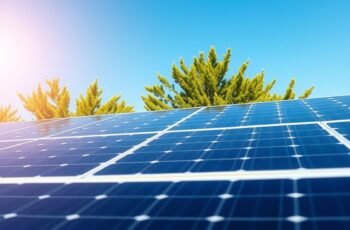
To maximize solar input wattage, optimizing the placement and angle of your solar panels is essential, as these factors directly influence the amount of sunlight captured throughout the day. Proper panel orientation ensures the panels face the ideal direction—typically true south in the Northern Hemisphere—to maximize exposure. Adjusting for the best tilt involves setting the panels at an angle that aligns with the latitude, enhancing seasonal performance. A precise tilt angle minimizes shading and maximizes direct sunlight absorption, especially during peak hours. By analyzing local solar angles and adjusting panel orientation and tilt accordingly, we improve energy yield and system efficiency. This targeted approach ensures consistent sunlight capture, making your solar installation more effective and cost-efficient over its lifespan.
Reduce Shading and Obstructions That Block Sunlight
Shading and obstructions considerably reduce the efficiency of solar panels by blocking direct sunlight and creating uneven energy production. Tree shading, building obstructions, and nearby structures can cast shadows that diminish system output. To mitigate this, we analyze shading patterns throughout the day and year, identifying critical obstructions. Key strategies include:
- Pruning or removing overhanging tree branches that cast persistent shadows
- Adjusting panel placement to avoid areas shadowed by buildings or nearby objects during peak sunlight hours
- Installing physical barriers or repositioning panels to minimize the impact of transient shading
Use Microinverters or Power Optimizers to Boost System Output
Microinverters and power optimizers are advanced system components designed to enhance solar energy production by addressing the limitations of traditional string inverters. Microinverter benefits include improved system resilience, as each panel operates independently, reducing the impact of shading or panel mismatch. Power optimizer advantages are similar, offering panel-level maximum power point tracking that optimizes output for each module. These technologies increase overall system efficiency, especially in partially shaded or complex rooftop environments. By decentralizing conversion, they minimize energy loss and allow for more precise monitoring at the panel level. Implementing microinverters or power optimizers ensures better performance consistency, maximizes wattage input, and delivers a more reliable, higher-yield solar array. This targeted approach is vital for optimizing input wattage in diverse installation conditions.
Monitor Your System’s Performance to Spot Issues Early
Regularly monitoring your solar system’s performance allows us to detect potential issues before they escalate into costly repairs or significant energy losses. This involves analyzing key metrics such as inverter efficiency, battery storage levels, and overall energy output. By tracking inverter efficiency, we can identify drops that signal component degradation or shading problems. Monitoring battery storage helps guarantee maximum charge cycles and prevents capacity loss. Additionally, observing the system’s output against expected performance reveals potential shading or dirty panels. Using data from monitoring tools, we can pinpoint issues like inverter faults, reduced storage capacity, or wiring problems early. This proactive approach minimizes downtime, maximizes energy harvest, and maintains system longevity, ultimately ensuring the system operates at peak efficiency and delivers consistent power.
Adjust Your System Settings for Seasonal Changes in Sunlight
As seasonal variations in sunlight impact the efficiency of your solar system, adjusting your system settings accordingly can maximize energy production throughout the year. Changes in seasonal sunlight demand recalibration of panel orientation to maintain ideal angles for maximum exposure. Proper adjustment ensures the panels capture the most sunlight, compensating for the sun’s lower or higher position in the sky.
| Seasonal Sunlight | Recommended Panel Orientation |
|---|---|
| Summer | Tilt panels to maximize direct sunlight exposure |
| Winter | Increase tilt to capture lower sun angles |
| Spring/Fall | Moderate tilt aligning with equinox sun angles |
Upgrade Components to Improve Overall Solar Input Wattage
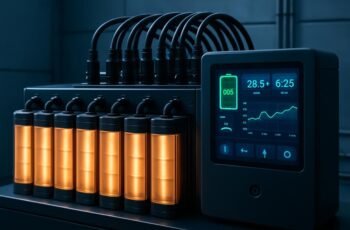
Upgrading components within your solar system can considerably enhance overall input wattage by optimizing energy conversion efficiency and system performance. Focus on high-quality battery storage solutions to reduce energy losses during storage and discharging cycles, ensuring maximum usable power. Improving inverter efficiency minimizes power conversion losses, directly boosting the system’s output. Additionally, selecting panels with higher efficiency ratings can capture more sunlight per unit area. Consider these upgrades:
- Battery storage with advanced chemistry, like lithium-ion, for enhanced charge retention and longevity
- Inverters with higher efficiency ratings (above 98%) to reduce energy wastage
- Premium solar panels with better spectral response and reduced temperature coefficients
These strategic component upgrades collaboratively optimize the system’s wattage input, delivering more reliable and efficient energy production.
Troubleshoot Common Problems Limiting Solar Power Input
Even with high-quality components, various issues can still hinder the solar system’s input wattage. Common problems include subpar battery storage, which can cause voltage fluctuations and limit energy flow, and inverter efficiency losses, reducing overall power transfer. Poor wiring connections or shading can create bottlenecks, decreasing effective input. Additionally, inverter mismatch or aging components diminish performance, especially under variable sunlight conditions. Regularly inspecting connections, ensuring ideal tilt and orientation, and verifying inverter operation can mitigate these issues. Addressing battery storage issues, such as capacity constraints or improper maintenance, also helps maximize input. By systematically troubleshooting these factors, we can enhance system efficiency and maximize solar input wattage, ensuring reliable energy production and better system performance.
Frequently Asked Questions
How Does Weather Affect Solar Input Wattage Over Time?
Weather impacts solar input wattage through cloud cover, which reduces sunlight, and temperature effects, where extreme heat decreases panel efficiency. We analyze these factors to optimize solar performance, ensuring consistent energy output despite weather variations.
What Are the Best Practices for Seasonal System Adjustments?
We adjust panel mounting angles seasonally for ideal tilt, and perform regular panel cleaning to minimize soiling losses, ensuring maximum solar input wattage throughout changing weather patterns and seasonal variations for peak system performance.
Can Inverter Settings Influence Overall Solar Input Efficiency?
Like a finely tuned orchestra, inverter settings directly influence solar input efficiency. Proper inverter calibration guarantees maximum power optimization, reducing energy loss and enhancing overall system performance, making every watt count in our solar energy journey.
How Do Different Panel Types Impact Wattage Performance?
Different panel types considerably impact wattage performance through variations in panel efficiency and durability; monocrystalline panels generally offer higher efficiency and durability, maximizing output, whereas polycrystalline panels provide moderate performance with increased cost-effectiveness, influencing overall system optimization.
What Safety Precautions Should I Take When Upgrading Components?
We prioritize safety by implementing rigorous battery management and wiring safety protocols, ensuring proper insulation, grounding, and circuit protection, while adhering to manufacturer guidelines and local codes to prevent hazards and optimize system reliability during component upgrades.
Conclusion
By systematically optimizing each aspect of our solar system, we open its full potential, turning it into a well-oiled machine that captures sunlight like a magnet. Regular maintenance, strategic positioning, and component upgrades act as the gears driving maximum wattage output. Think of it as fine-tuning a complex engine—every adjustment guarantees peak performance. With vigilant monitoring and prompt troubleshooting, we can guarantee our solar input wattage remains consistently high, powering our future efficiently and reliably.