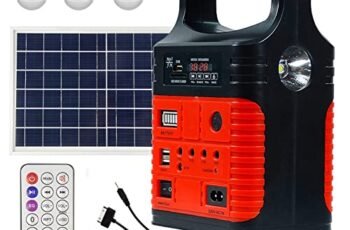
Many assume that all portable power sources are equally efficient, but this oversimplification overlooks critical differences in their energy conversion processes. While lithium-ion-based power stations promise minimal energy loss and stable output, fuel-powered inverters rely on chemical-to-electrical energy transformation, which introduces variable inefficiencies. Understanding these distinctions is essential for selecting the right solution for specific needs. Exploring these factors reveals why the true efficiency of each option might not be as straightforward as it appears.
Key Takeaways
- Portable power stations have higher energy conversion efficiency due to battery chemistry and inverter technology.
- Fuel-powered inverter generators offer longer runtime per fuel fill but have higher energy losses during combustion.
- Battery degradation limits lifespan but provides consistent performance; fuel generators depend on fuel stability and consumption.
- Solar integration enhances efficiency for power stations, reducing reliance on fuel and decreasing emissions.
- Overall, power stations are more efficient for short-term, stable use; fuel generators excel in extended, high-demand applications.
How Do Portable Power Stations and Fuel Generators Generate Power?
Though both portable power stations and fuel-powered inverter generators serve to supply electrical energy in off-grid or emergency situations, they operate based on fundamentally different principles. Portable power stations rely on rechargeable batteries, typically lithium-ion, whose lifespan is influenced by charge cycles and thermal management. Their power output is regulated by inverter technology, which converts DC stored energy into AC power with high precision, ensuring clean and stable electricity. In contrast, fuel-powered inverter generators run on internal combustion engines that produce AC power directly, with inverter technology used to modulate frequency and voltage for stability. While batteries in power stations degrade over time, affecting overall lifespan, inverter technology in both systems enhances power quality and efficiency, but the underlying generation methods differ markedly.
Comparing Efficiency: Energy Conversion and Usage
When comparing the efficiency of portable power stations and fuel-powered inverter generators, it’s essential to examine how each system converts and utilizes energy. Power output varies considerably, impacting overall efficiency, especially under continuous load. Portable power stations typically have longer battery life, but their energy conversion efficiency depends on battery chemistry and inverter technology. Fuel generators convert chemical energy to electrical power with higher immediate power output but often experience energy losses due to heat and mechanical friction.
- Conversion efficiency: battery chemistry vs. combustion process
- Energy loss during transfer and storage
- Power output consistency and stability
- Impact of load fluctuations on efficiency
- Battery life’s influence on long-term usage and costs
Run Time and Fuel Consumption: Which Lasts Longer?
Evaluating run time and fuel consumption reveals fundamental differences in operational efficiency between portable power stations and fuel-powered inverter generators. Portable power stations typically rely on lithium-ion batteries, which have a limited lifespan that affects their overall longevity; however, they offer consistent performance without fuel stability concerns. Conversely, inverter generators depend on fuel combustion, with run time directly tied to fuel tank capacity and fuel stability over storage periods. While generators can often operate longer per fill, their fuel efficiency varies with load and maintenance, impacting overall runtime. Battery lifespan limits the number of recharge cycles, influencing long-term usability, whereas fuel stability issues—such as degradation or contamination—can reduce operational reliability. Both systems’ efficiency hinges on balancing initial capacity with maintenance and usage patterns.
Noise Levels and Emissions: Environmental Impact and Practicality
Have you ever considered how noise levels and emissions influence the practicality of portable power solutions? Noise pollution and environmental emissions directly impact usability, especially in sensitive settings. Solar integration with portable power stations reduces emissions and noise, offering a cleaner, quieter alternative. Fuel-powered inverters produce higher emissions, contributing to environmental degradation, and generate significant noise, affecting usability in residential or outdoor environments. Additionally, lower emissions can enhance battery lifespan by reducing thermal stress.
- Solar integration minimizes emissions and noise
- Fuel generators emit higher greenhouse gases
- Noise levels affect outdoor and indoor use
- Battery lifespan benefits from cleaner energy sources
- Practicality depends on environmental regulations and settings
Charging and Refueling Convenience
Charging and refueling processes considerably influence the overall convenience and operational efficiency of portable power solutions. Battery technology advancements allow for rapid recharging via AC outlets or solar input, minimizing downtime and enhancing usability. In contrast, fuel storage for inverter generators requires handling and storing combustible liquids, which involves safety considerations and logistical constraints. The efficiency of charging a battery depends on the power source and the battery’s capacity, directly affecting operational readiness. Fuel refueling, while quick, introduces delays and potential spillage risks, especially in rugged environments. Hence, the ease and safety of recharging or refueling are critical factors, with battery technology offering simplified, cleaner, and more versatile charging options, whereas fuel storage demands more careful management and safety protocols.
Cost-Effectiveness Over Time
Over time, the total cost-effectiveness of portable power options hinges on their initial investment, operational expenses, and maintenance requirements. Battery longevity considerably impacts long-term costs for portable power stations, as longer-lasting batteries reduce replacement frequency. Fuel stability influences inverter generator expenses, since inconsistent fuel quality can lead to engine inefficiencies and repairs.
Long-lasting batteries and stable fuel sources lower long-term costs for portable power solutions.
- Higher upfront costs for portable power stations offset with reduced fuel and maintenance expenses
- Battery degradation accelerates replacement costs, impacting overall value
- Fuel stability issues increase fuel consumption and repair frequency in generators
- Long-term savings favor systems with durable batteries and stable fuel sources
- Maintenance frequency and parts availability directly affect ongoing operational costs
Careful assessment of these factors determines which option offers better cost-effectiveness over time.
Suitability for Different Use Cases and Environments
The suitability of portable power stations and fuel-powered inverter generators varies considerably depending on specific use cases and environmental conditions. For emergency preparedness, portable power stations excel due to their quiet operation, clean energy output, and ease of storage, making them ideal for indoor use and quick deployment. Conversely, fuel-powered inverter generators offer higher power capacity and longer run times, suitable for extended outages or demanding equipment. For camping trips, portable power stations provide silent, emission-free power, enhancing safety and comfort in remote settings. Fuel-based generators, while more robust, generate noise, exhaust fumes, and require fuel management, making them less suitable for environmentally sensitive or confined environments. Ultimately, selecting the right option hinges on balancing power needs with environmental and situational constraints.
Maintenance and Durability Considerations
When evaluating maintenance and durability, we focus on long-term reliability factors and routine upkeep demands. Build quality directly impacts a device’s ability to withstand environmental stresses and frequent use. Understanding these aspects helps determine which option offers superior longevity and lower lifecycle costs.
Long-Term Reliability Factors
While both portable power stations and fuel-powered inverter generators are designed for reliability, their long-term durability hinges on distinct maintenance requirements and construction quality. For power stations, battery lifespan and warranty coverage are critical, impacting overall longevity and operational security. A high-quality battery and all-encompassing warranty can mitigate risks of premature failure. Conversely, inverter generators rely on durable engine components and fuel system integrity, where engine wear and corrosion resistance are essential. Factors influencing long-term reliability include:
- Battery degradation rates and replacement costs
- Quality of internal components and materials
- Effectiveness of sealing against environmental factors
- Engine and alternator robustness
- Manufacturer’s warranty coverage and support availability
Routine Maintenance Requirements
Routine upkeep is vital to guarantee the longevity and dependable performance of both portable power stations and fuel-powered inverter generators. Proper maintenance influences battery lifespan, minimizes repair costs, and sustains efficiency over time. Regular checks on terminals, fluid levels, and ventilation are essential. For power stations, managing battery health through periodic calibration extends lifespan, reducing replacement expenses. Conversely, inverter generators require fuel filter replacements and spark plug inspections to prevent costly repairs. The table below summarizes the key maintenance tasks:
| Maintenance Task | Frequency | Impact |
|---|---|---|
| Battery health check | Monthly | Extends lifespan, reduces repair costs |
| Fluid level inspection | Weekly | Ensures ideal operation |
| Filter replacements | Every 3-6 months | Maintains efficiency |
| Spark plug inspection | Annually | Prevents performance issues |
| Ventilation cleaning | Biannually | Avoids overheating |
Build Quality and Durability
Build quality and durability are critical factors influencing the long-term performance of portable power stations and fuel-powered inverter generators. High build quality guarantees components withstand operational stresses, while durability reflects resistance to wear over time. Variations in materials and construction techniques directly impact maintenance needs and lifespan.
- Robust casing materials like aluminum or reinforced plastics enhance durability.
- Quality internal components reduce failure rates and extend service life.
- Sealed designs protect against dust, moisture, and corrosion.
- Shock-absorbing features mitigate damage during transport.
- Consistent manufacturing standards ensure reliable build quality.
In evaluating these units, analyzing build quality and durability helps predict maintenance frequency, operational reliability, and overall lifespan, making these factors essential for informed investment decisions.
Which Power Source Maximizes Energy Efficiency for Your Needs?
To determine which power source offers best energy efficiency, we must compare fuel consumption rates, evaluating how each system converts energy into usable power. We also consider portability and convenience, which impact operational efficiency in various environments. Finally, maintenance and durability influence long-term efficiency, shaping the overall effectiveness of each option for different applications.
Fuel Consumption Rates
When comparing fuel consumption rates between portable power stations and fuel-powered inverter generators, understanding their efficiency is crucial for optimizing energy use. Fuel-powered generators typically consume fuel at a higher rate during peak loads, with efficiency influenced by load factors and engine design. In contrast, portable power stations with solar integration reduce reliance on fuel by leveraging battery capacity, which can be recharged sustainably. Factors affecting fuel efficiency include engine size, runtime, and load variability. Additionally, hybrid systems that combine solar, battery storage, and fuel can optimize overall energy use. Recognizing these elements helps determine which power source maximizes efficiency for specific needs.
- Fuel consumption increases with load variability
- Battery capacity influences solar integration potential
- Solar panels reduce fuel dependency
- Hybrid systems improve overall efficiency
- Engine design impacts fuel burn rate
Portability and Convenience
While both portable power stations and fuel-powered inverter generators offer unique advantages, their suitability for different scenarios depends heavily on portability and convenience. Portable power stations excel in portability advantages due to their lightweight design and integrated batteries, which eliminate the need for fuel handling and reduce setup time. Their battery lifespan is a critical factor; as batteries degrade over time, their energy storage capacity diminishes, impacting usability. Conversely, inverter generators require fuel, which adds weight and space, reducing overall portability but providing longer operational periods without recharging. For remote or emergency applications where ease of transport and quick setup are priorities, portable power stations offer significant convenience. However, for extended use without access to charging or refueling, inverter generators may prove more practical despite their reduced portability advantages.
Maintenance and Durability
Maintenance and durability markedly influence the long-term energy efficiency of portable power sources. For power stations, ensuring ideal battery lifespan through regular checks and proper charging protocols minimizes capacity loss over time. Corrosion resistance is critical for both systems, especially in harsh environments, as it prevents component degradation that can impair performance. Fuel-powered inverters require engine maintenance, such as oil changes and spark plug replacements, to sustain efficiency. Portable power stations benefit from sealed, corrosion-resistant enclosures that extend operational life. Key considerations include:
- Battery health monitoring and management
- Corrosion-resistant casing and connectors
- Regular cleaning and inspection routines
- Engine component upkeep for fuel generators
- Design features that enhance durability under stress
Frequently Asked Questions
How Does Weather Affect the Performance of Portable Power Stations and Fuel Generators?
Weather markedly impacts power stability and resilience; cold reduces battery efficiency in power stations, while moisture and high winds challenge fuel generators’ operational reliability, emphasizing the need for weather-resistant designs to guarantee consistent performance in varying conditions.
Are There Safety Risks Associated With Using Fuel-Powered Inverter Generators?
Yes, fuel-powered inverter generators pose safety risks like fuel leaks and fumes emissions, which can cause fires or health issues if not properly maintained or ventilated, emphasizing the need for careful handling and adherence to safety protocols.
Can Portable Power Stations Handle High-Demand Appliances Effectively?
We’ve tested portable power stations with high battery capacities and robust power outputs, proving they can handle high-demand appliances effectively—like a reliable engine, they deliver consistent power, ensuring your essential devices stay operational during critical moments.
What Are the Long-Term Environmental Impacts of Each Power Source?
We believe portable power stations offer better renewable sustainability and emission reduction over the long term, whereas fuel-powered generators contribute more to environmental degradation due to emissions; both impact ecosystems, but stationary, cleaner sources are more eco-friendly.
How Easy Is It to Transport and Store Each Power Option?
Transporting and storing each power option depends on battery capacity and portability design; portable power stations are lightweight, compact, and easy to carry, while fuel generators, with larger capacity, require secure storage and are more cumbersome to move.
Conclusion
Ultimately, choosing between portable power stations and fuel-powered inverter generators is like selecting the right instrument for a symphony—they each have their unique tune. Power stations, with their high-efficiency lithium-ion batteries, play a steady, clean note perfect for short, stable needs. Generators, like a robust bass, offer longer runtime but at the cost of efficiency and environmental harmony. Our decision hinges on balancing these melodies to match your specific energy composition.