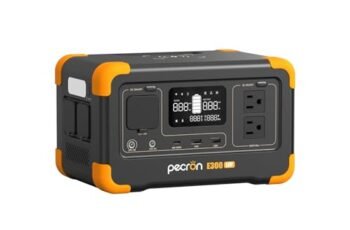
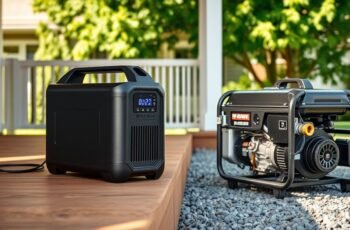
When we rely on portable power sources for our sensitive electronics—say, during a power outage or remote work—we often encounter different waveforms that can impact device performance. Pure sine wave and modified sine wave stations are two primary options, each with distinct technical characteristics that influence efficiency and compatibility. Understanding these differences is essential for making an informed choice, especially when considering the long-term costs and reliability involved in powering delicate equipment.
Key Takeaways
- Pure sine wave stations produce smooth, utility-like power, ideal for sensitive electronics, while modified sine wave stations generate stepped, rougher waveforms.
- Pure sine wave systems are more expensive but offer higher power quality, longer device lifespan, and better compatibility with sensitive devices.
- Modified sine wave stations are cheaper, simpler, and suitable for basic appliances, but can cause device noise, overheating, and reduced efficiency.
- Pure sine wave inverters are preferred for renewable energy systems and critical applications requiring stable, clean power.
- Cost, device sensitivity, efficiency, and environmental impact are key factors influencing the choice between the two types.
What Are Pure Sine Wave Power Stations and How Do They Work?
Pure sine wave power stations generate electrical output that closely mimics the smooth, continuous waveform of utility-grade power. This precision results from advanced power conversion techniques that produce a stable and consistent AC signal. These stations typically integrate sophisticated energy storage systems to guarantee reliable power delivery during fluctuating demand or grid interruptions. The power conversion process involves converting stored DC energy into a pure sine wave AC output, minimizing harmonic distortion and electromagnetic interference. This precise waveform is essential for sensitive electronic devices, maximizing operation and longevity. By maintaining a high-quality output, pure sine wave stations offer superior compatibility, especially for equipment requiring stable power. Their combination of efficient energy storage and refined power conversion makes them ideal for critical applications demanding clean, reliable electricity.
How Do Modified Sine Wave Power Stations Differ in Design and Output?
Modified sine wave power stations differ considerably in both their design and output characteristics from pure sine wave systems, primarily due to their simplified waveform generation process. They produce a stepped waveform that approximates a sine wave, which simplifies circuitry but impacts performance and compatibility. The design typically involves switching power transistors on and off rapidly to create a square wave with multiple steps, affecting the quality of output power. This affects sensitive devices, especially those relying on precise power supply, and can influence battery technology efficiency in energy storage systems. Additionally, the waveform’s less smooth nature can hinder renewable integration, as renewable sources often require cleaner power for *ideal* operation.
- Compatibility with sensitive electronics
- Effect on battery charging efficiency
- Limitations in renewable energy systems
Which Devices Perform Better on Pure Sine Wave vs Modified Sine Wave?
Different types of electronic devices respond differently to the quality of power supplied, making it important to understand which perform better on pure sine wave versus modified sine wave outputs. Devices with sensitive components, such as medical equipment or high-end audio systems, typically operate more efficiently and with less risk of damage on pure sine wave power, which closely mimics grid electricity. This results in improved battery lifespan for portable electronics and more reliable renewable integration, especially with solar inverters that require stable, clean power. Conversely, simpler appliances like power tools or LED lighting generally tolerate modified sine wave power without issues. Choosing the appropriate wave type guarantees ideal performance, extends device longevity, and enhances overall system stability, particularly in setups reliant on renewable energy sources.
What Are the Cost Differences Between Pure and Modified Sine Wave Stations?
The initial purchase price of pure sine wave stations typically exceeds that of modified sine wave units due to advanced inverter technology. Over time, maintenance and repair costs may also vary, with pure sine wave systems often requiring more specialized parts and servicing. Additionally, compatibility expenses can influence total costs, as some appliances demand pure sine wave power to operate efficiently, potentially increasing overall investment.
Initial Purchase Price
When comparing the initial purchase prices of pure sine wave and modified sine wave power stations, it becomes evident that cost differences are primarily driven by the complexity of their internal circuitry. Pure sine wave stations require more advanced components to generate cleaner power, which increases manufacturing costs.
- Pure sine wave models tend to be more expensive upfront, often reflecting higher build quality and longer battery lifespan.
- Modified sine wave units are typically more affordable, but may compromise portability concerns due to less efficient energy conversion.
- The higher initial investment in pure sine wave stations can offset long-term expenses, especially when considering the potential need for repairs or replacements caused by lower compatibility with sensitive electronics.
Maintenance and Repairs
Although initial purchase costs differ considerably, maintenance and repair expenses often influence the overall cost-effectiveness of pure sine wave versus modified sine wave power stations. Pure sine wave inverters typically require less frequent repairs due to their higher-quality components, which can extend battery lifespan by reducing stress on batteries and other hardware. In contrast, modified sine wave units may produce higher noise levels during operation, leading to increased wear on internal components over time. These elevated noise levels can signal underlying mechanical or electrical stress, potentially escalating maintenance costs. Additionally, the more refined output of pure sine wave stations minimizes harmonic distortions, thereby reducing the likelihood of component failure. Overall, while pure sine wave systems may have higher upfront costs, their lower maintenance and repair requirements can yield significant savings over their operational lifespan.
Compatibility Expenses
Compatibility expenses between pure sine wave and modified sine wave power stations vary greatly based on the types of devices and appliances they support. Pure sine wave inverters generally incur higher initial costs but offer improved energy efficiency and reduced environmental impact, making them suitable for sensitive electronics. Conversely, modified sine wave inverters are more affordable upfront but may cause compatibility issues with certain appliances, leading to potential repair costs or reduced lifespan.
- Sensitive electronics like medical equipment or audio systems often require pure sine wave power to prevent malfunction.
- Motor-driven appliances, such as refrigerators or power tools, might experience increased wear or inefficiency with modified sine wave stations.
- The overall operational costs and environmental impact are profoundly affected by the inverter’s ability to support energy-efficient devices without damage.
When Should You Choose a Pure Sine Wave Power Station?
Choosing a pure sine wave power station is essential when sensitive equipment demands stable, high-quality power. We should consider this option when precise waveform compatibility is critical for peak device performance. Evaluating your power quality needs helps determine if the investment aligns with your operational requirements.
Sensitive Equipment Compatibility
When dealing with sensitive electronic equipment, selecting the appropriate power source is vital to prevent damage or malfunction. Pure sine wave power stations provide a clean, stable output that closely mimics grid power, making them ideal for such devices. This is essential when considering battery technology, where fluctuations can reduce lifespan or cause failure. Additionally, renewable integration systems, such as solar or wind, benefit from pure sine wave inverters to guarantee smooth operation and efficient energy transfer. Sensitive equipment like medical devices, audio equipment, and precision instruments require consistent power quality for peak performance.
- Protects delicate electronics from voltage irregularities
- Ensures reliable operation for renewable energy systems
- Extends battery life by reducing stress on components
Power Quality Needs
Determining the appropriate power station depends largely on the quality of power required by your devices. For sensitive electronics and renewable energy systems, a pure sine wave power station ensures consistent, clean power output, minimizing harmonic distortion that can impair device performance. When high battery efficiency is critical, especially in off-grid or solar setups, pure sine wave inverters optimize energy transfer and prolong battery life. These stations are essential when integrating renewable energy sources, where voltage stability directly impacts system reliability. Conversely, modified sine wave units may suffice for less sensitive equipment but can introduce power fluctuations that reduce overall efficiency and increase wear. Therefore, selecting a pure sine wave power station aligns with high power quality needs, maximizing device longevity and system performance in demanding applications.
Are Modified Sine Wave Stations Suitable for Sensitive Electronics?
Modified sine wave power stations produce a less complex waveform compared to pure sine wave units, which can pose challenges for sensitive electronics. This waveform distortion may lead to increased noise levels, affecting device operation and potentially reducing battery longevity over time. Sensitive electronics, such as medical equipment or precision instruments, rely on clean power to function correctly, making modified sine waves less ideal. Additionally, the irregular waveform can cause unnecessary stress on electronic components, leading to overheating or premature failure. While modified sine wave stations are more affordable and efficient for basic appliances, their compatibility with sensitive electronics is limited.
- Increased noise levels can interfere with device performance
- Potential for reduced battery lifespan due to waveform irregularities
- Not suitable for devices requiring stable, clean power
What Are the Common Limitations and Drawbacks of Each Type?
Both pure sine wave and modified sine wave power stations have inherent limitations that impact their effectiveness and suitability for different applications. Pure sine wave inverters typically offer higher battery efficiency due to their smooth waveform, but they tend to be more complex and costly, which can increase environmental impact during manufacturing. Conversely, modified sine wave units are simpler and cheaper but often lead to reduced battery efficiency, as their waveform causes higher energy loss during conversion. This inefficiency can also cause increased stress on connected electronics, raising the risk of premature failure. Additionally, the environmental impact of producing and disposing of these inverters varies, with pure sine wave systems generally requiring more resource-intensive components. Both types, hence, present trade-offs between performance, efficiency, and environmental considerations.
How Do You Decide Which Power Station Is Right for Your Needs?
Choosing the right power station depends on evaluating your specific energy demands, budget constraints, and the types of devices you intend to power. For instance, if you need reliable operation for sensitive electronics, a pure sine wave station often guarantees better device compatibility, enhancing battery longevity. Conversely, if your priority is cost-effectiveness and powering simpler appliances, a modified sine wave station might suffice, especially when integrating renewable sources. Consider these factors:
- Compatibility with sensitive electronics and impact on battery longevity
- Cost considerations and overall budget constraints
- Ease of renewable energy integration and system scalability
Frequently Asked Questions
Are Pure Sine Wave Stations More Reliable Than Modified Sine Wave Stations?
Pure sine wave stations are generally more reliable due to better compatibility with sensitive electronics, enhancing safety considerations in renewable energy systems. Their consistent power output reduces risks, making them a preferred choice for critical applications.
How Does Noise Levels Differ Between Pure and Modified Sine Wave Power Stations?
Like a knight in shining armor of the digital age, pure sine wave stations produce less noise, reducing wave interference and sound distortion, unlike modified sine wave stations, which tend to generate more electrical noise and audible artifacts.
Can a Modified Sine Wave Station Damage Specific Household Appliances?
Modified sine wave stations can potentially harm sensitive appliances due to waveform incompatibility, risking damage or malfunction. We recommend verifying appliance safety compatibility before use, as some devices are more vulnerable to the non-sinusoidal waveform’s effects.
What Is the Typical Lifespan of Each Type of Power Station?
They say “time flies,” and, with proper maintenance, pure sine wave stations usually last 10-15 years, while modified sine wave units often reach 8-12 years, influenced by battery efficiency and installation costs, which impact their longevity and performance.
Do Pure Sine Wave Stations Require More Maintenance Than Modified Sine Wave Models?
We find pure sine wave stations generally require slightly more maintenance due to their sensitive components affecting battery efficiency, but this results in a higher cost comparison. Overall, their longevity and performance often justify the maintenance difference.
Conclusion
In steering the landscape of power stations, picture each as a vital artery—one delivering pristine, steady current, the other a more rugged, stepped flow. Choosing wisely depends on your electronic ecosystem’s sensitivity and your budget. By analyzing waveform quality versus cost, we guarantee our devices receive the ideal current—like a well-tuned engine running smoothly on the road of technological reliability, promising longevity and performance for years to come.