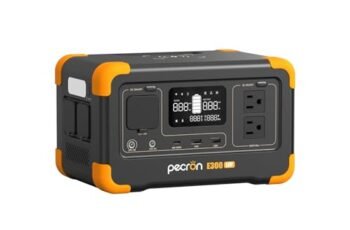
Imagine a remote construction site relying solely on solar-powered stations during cloudy days, versus an urban setting where rapid wall charging guarantees minimal downtime. These scenarios highlight the critical differences in how solar and wall charging methods impact efficiency, sustainability, and practicality. Understanding the technical strengths and limitations of each approach is essential for optimizing portable power solutions, especially when considering real-world constraints and operational demands. The choice between them can substantially influence overall performance, but which method truly aligns with your needs?
Key Takeaways
- Wall charging offers faster, more reliable recharge times compared to slower, weather-dependent solar charging.
- Solar charging is eco-friendly, reducing carbon footprint, while wall charging relies on grid electricity with higher environmental impact.
- Solar is ideal for off-grid, remote, and outdoor use, whereas wall charging suits indoor, urban, or backup scenarios.
- Initial solar setup costs are higher but provide long-term savings, while wall charging involves ongoing electricity expenses.
- Solar charging depends on sunlight availability, making it less consistent than the predictable, regulated power from wall outlets.
Understanding How Solar and Wall Charging Work in Portable Power Stations
While both solar and wall charging serve to replenish the energy stored in portable power stations, they operate through fundamentally different mechanisms. Wall charging utilizes direct electrical connections, delivering high-voltage current that enables rapid battery replenishment. This process often incorporates battery optimization algorithms to manage charge cycles, prolonging lifespan and ensuring efficient energy storage. Conversely, solar charging relies on photovoltaic cells converting sunlight into electrical energy, which is then regulated through charge controllers to prevent overcharging and optimize energy transfer. The variability of solar input demands adaptive management strategies for energy storage, balancing input rates with battery health. Understanding these mechanisms reveals how each method influences battery performance, with wall charging generally offering faster replenishment and solar charging providing sustainable, renewable energy input.
Pros and Cons of Solar Charging for Portable Power
Solar charging offers a sustainable and renewable energy source for portable power stations, making it an attractive option for off-grid and emergency use. Its primary advantage lies in enhancing battery capacity over long-term use without relying on grid access. However, charging efficiency can vary considerably due to factors like sunlight intensity, panel quality, and weather conditions, which impacts overall performance. Solar panels typically have lower charging efficiency compared to wall outlets, requiring more time to replenish the same battery capacity. Additionally, the initial setup cost and dependency on sunlight can limit reliability. Despite these limitations, solar charging’s eco-friendly nature and capacity for continuous, renewable power make it a compelling choice, especially when consistent sunlight is available and portability is prioritized.
Advantages and Limitations of Wall Charging for Portable Power
Wall charging offers a reliable and rapid method for recharging portable power stations, leveraging the high efficiency of grid electricity. This method’s primary advantage is its superior charging efficiency, ensuring minimal energy loss during transfer. Additionally, wall charging provides broad power source compatibility, accommodating various input standards and voltages, which simplifies integration with existing electrical infrastructure.
However, limitations exist:
- Dependence on an external power outlet restricts portability and accessibility in remote locations.
- Charging speed can vary based on outlet specifications and power supply capacity.
- Prolonged reliance on grid electricity may undermine the environmental benefits of renewable energy use. Overall, wall charging excels in efficiency and compatibility but is constrained by mobility and sustainability considerations.
Key Factors to Consider When Choosing Between Solar and Wall Charging
When selecting between solar and wall charging for portable power stations, we must evaluate several critical factors that directly influence performance, convenience, and sustainability. Battery capacity is essential; higher capacity allows longer use but may increase size and weight, impacting portability. Charging efficiency also plays a crucial role; wall chargers typically offer higher efficiency with consistent power delivery, reducing charge time. Conversely, solar charging efficiency depends on sunlight conditions and panel quality, leading to variable performance. Additionally, the availability of charging sources affects practicality—wall charging is reliable indoors, while solar is ideal for remote or off-grid use. Balancing these factors helps determine the most suitable option based on energy needs, environmental considerations, and operational flexibility.
Best Use Cases for Solar-Powered Portable Stations
Solar-powered portable stations excel in remote outdoor adventures, providing reliable energy where grid access is unavailable. They also serve as effective emergency power backups, ensuring critical devices stay operational during outages. Additionally, these stations support sustainable camping by harnessing renewable energy, reducing environmental impact.
Remote Outdoor Adventures
Have you ever considered how renewable energy sources can enhance remote outdoor experiences? Solar-powered portable stations excel in these environments due to their high solar panel efficiency and adaptable portable power capacity. For example:
- Extended Duration: Efficient solar panels maximize energy conversion, providing sustained power without reliance on external sources.
- Versatility: Compact size with scalable capacity allows for powering multiple devices—lights, communication gear, or small appliances—during extended trips.
- Operational Independence: Solar charging reduces logistical constraints, enabling continuous operation in remote locations where grid access is unavailable.
In these scenarios, solar charging’s technical advantages—namely, improved solar panel efficiency and increased portable power capacity—are critical for maintaining reliable power availability during remote outdoor adventures.
Emergency Power Backup
In emergency situations where grid power is unavailable or unreliable, solar-powered portable stations serve as an essential backup. They offer reliable power supply during outages, with the advantage of extended battery longevity through optimized charging cycles. Solar charging efficiency varies depending on panel quality and sunlight conditions, but high-efficiency panels maximize energy capture, ensuring sustained power output. This efficiency directly impacts the battery’s lifespan, as consistent, controlled charging reduces degradation. Unlike wall-charging, solar stations can continuously replenish their batteries in remote or disaster zones, providing a resilient power source. For critical devices, understanding the interplay between charging efficiency and battery longevity is crucial, as it determines the station’s ability to deliver dependable backup power over time, especially in prolonged emergencies.
Sustainable Camping Solutions
When it comes to sustainable camping, integrating solar-powered portable stations offers a practical solution for maintaining essential power needs while minimizing environmental impact. These stations excel in scenarios requiring renewable energy, reducing reliance on grid power and ensuring long-term efficiency. Key use cases include:
- Remote campsites where solar panel maintenance is minimal due to durable, weather-resistant designs.
- Eco-conscious backpackers prioritizing lightweight, portable solutions with ideal wall outlet compatibility for quick recharging.
- Off-grid adventures demanding consistent power for devices, with solar stations providing sustainable energy without the noise or emissions of traditional generators.
When to Opt for Wall Charging in Portable Power Solutions
While solar charging offers flexibility and independence, there are specific scenarios where wall charging becomes the more practical choice for portable power stations. Indoor charging benefits considerably from wall connection, especially when consistent, reliable power is needed without reliance on sunlight. In such cases, power outlet compatibility is essential—ensuring the station can connect seamlessly to standard electrical outlets. Wall charging offers a stable, predictable power source, ideal for overnight or extended indoor use, and reduces the dependency on weather conditions or daylight hours. Additionally, for devices requiring high or continuous power input, wall charging minimizes interruptions and maximizes efficiency. When indoor access, reliable power outlets, and predictability are priorities, wall charging emerges as the best solution.
Comparing Charging Speeds: Solar vs Wall Charging
Charging speeds for solar and wall power sources vary considerably, primarily due to their underlying mechanisms. Wall charging delivers a consistent, high-current flow, enabling rapid recharge times—often within a few hours—while maintaining charging safety standards. In contrast, solar charging depends on ideal sunlight, resulting in variable speeds influenced by weather, time of day, and panel efficiency. Specifically:
- Wall chargers typically replenish battery capacity in 2–4 hours, prioritizing safety through regulated current flow.
- Solar charging may extend to 8+ hours under perfect conditions, with slower rates limiting rapid recharging.
- Variability in solar input impacts overall charging speed, making it less predictable than wall charging, though it preserves battery health over time.
Ultimately, wall charging provides faster, more reliable speeds, whereas solar offers slower, more environmentally adaptable options.
Environmental Impact and Cost Efficiency of Each Charging Method
We recognize that solar charging leverages renewable energy, reducing reliance on fossil fuels and lowering environmental impact over time. In contrast, wall charging often involves electricity generated from non-renewable sources, which can increase carbon footprints and environmental degradation. Evaluating long-term cost savings requires analyzing initial setup costs against ongoing energy expenses and environmental benefits for each method.
Renewable Energy Benefits
Solar charging offers significant environmental advantages over traditional wall charging by harnessing renewable energy directly from the sun, thereby reducing reliance on the power grid fueled by fossil fuels and lowering greenhouse gas emissions. Using a solar panel, we convert sunlight into electricity, minimizing carbon footprint and decreasing environmental degradation. The benefits include:
- Reduced Carbon Emissions: Solar panels generate clean energy, decreasing dependence on fossil-fuel-based power sources.
- Decentralized Energy Generation: Solar charging eliminates strain on the power grid, promoting energy independence.
- Long-term Sustainability: Solar power offers a renewable, inexhaustible energy source, ensuring ongoing environmental benefits without depletion.
This approach not only enhances sustainability but also promotes energy resilience, making solar charging a compelling alternative for environmentally conscious users.
Long-Term Cost Savings
Have you considered how the long-term costs and environmental impacts differ between solar and wall charging for portable power stations? Solar charging reduces ongoing energy costs and minimizes reliance on grid electricity, which can fluctuate and incur higher expenses over time. Additionally, solar systems often enhance battery longevity by providing steady, sustainable energy, reducing wear and tear on energy storage components. Conversely, wall charging involves recurring electricity costs and potential degradation of batteries due to frequent charging cycles. The table below compares key factors:
| Aspect | Solar Charging | Wall Charging | Notes |
|---|---|---|---|
| Energy Costs | Minimal after setup | Ongoing, variable | Solar reduces long-term expenses |
| Battery Longevity | Extended due to steady charging | Reduced lifespan with frequent cycles | Affects replacement frequency |
| Maintenance | Low | Moderate | Solar systems tend to require less upkeep |
| Environmental Impact | Lower, renewable source | Higher, grid reliance | Solar minimizes carbon footprint |
Environmental Footprint Differences
While both solar and wall charging methods impact the environment differently, their overall footprints hinge on factors such as resource consumption, emissions, and energy efficiency. Solar charging generally produces lower carbon emissions over its lifecycle, especially when paired with sustainable recycling practices for panels and batteries. Conversely, wall charging’s environmental impact depends heavily on the energy source; fossil-fuel-based grids contribute significantly to carbon emissions.
- Solar systems benefit from reduced emissions, provided recycling practices effectively manage end-of-life components.
- Wall charging’s footprint escalates with higher grid reliance on non-renewables, increasing carbon emissions.
- Overall, solar charging offers a more sustainable approach, but its environmental advantage depends on manufacturing and disposal efficiencies.
Tips for Maximizing Battery Lifespan in Solar and Wall Charging Modes
Maximizing battery lifespan in portable power stations requires careful management of charging practices, regardless of whether you’re using solar or wall power. Proper procedures, like regular battery calibration and limiting unnecessary charging cycles, are essential. To optimize longevity, avoid deep discharges and maintain charge levels between 20-80%. Regular calibration ensures accurate battery readings, preventing over- or under-charging.
| Practice | Effect |
|---|---|
| Battery calibration | Maintains accurate state-of-charge readings |
| Limiting charging cycles | Reduces wear on the battery, prolonging lifespan |
| Avoiding deep discharges | Prevents stress and capacity loss |
Frequently Asked Questions
Can Portable Power Stations Charge Multiple Devices Simultaneously?
Yes, portable power stations can charge multiple devices simultaneously, thanks to multiple USB and AC outlets, ensuring device compatibility and efficient charging speed. This setup optimizes power distribution, making it ideal for diverse, high-demand device needs.
How Do Weather Conditions Affect Solar Charging Efficiency?
Weather variability can considerably impact solar charging efficiency, as sunlight dependency means cloudy or rainy conditions diminish energy absorption. This unpredictability makes solar power less reliable during adverse weather, requiring backup options for consistent device operation.
Are There Safety Concerns With Wall Charging Portable Stations?
Yes, there are safety concerns with wall charging portable stations. We follow strict safety guidelines to prevent electrical hazards, ensuring proper connections, avoiding overloads, and using certified chargers, which mitigates risks associated with electrical faults.
What Is the Typical Lifespan of a Solar Charging Panel?
Like a fine wine aging gracefully, solar panels typically last 25-30 years, with degradation gradually reducing efficiency; their charging cycle lifespan remains robust, but prolonged exposure to elements can accelerate solar panel degradation over time.
Can Portable Power Stations Switch Easily Between Solar and Wall Charging?
Yes, portable power stations easily shift between solar and wall charging, leveraging their compatible input ports, ensuring ideal battery capacity and charging speed. This flexibility enhances efficiency, allowing seamless energy source changes for diverse power needs.
Conclusion
In weighing solar versus wall charging, we see a balance of speed and sustainability—each a crucial instrument in our energy symphony. While wall charging offers the swift pulse of reliability, solar embodies the resilient heartbeat of eco-conscious innovation. By understanding their nuances, we can craft a tailored energy strategy, ensuring our portable stations serve as steadfast companions in every adventure, ready to draw power from the environment or the wall with precision and purpose.