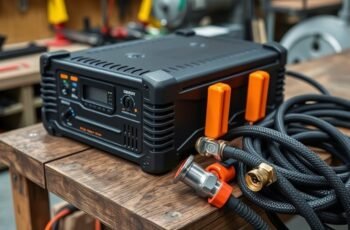
Studies show that regular maintenance can extend portable power system lifespans by up to 30%, yet many organizations overlook routine checks. We recognize the importance of a structured schedule that includes inspections, battery testing, and firmware updates to guarantee reliability. By implementing a detailed maintenance plan, you can prevent unexpected failures and keep your equipment operational when it matters most. Let’s explore how a systematic approach can make all the difference in your power management strategy.
Key Takeaways
- Conduct regular inspections of cables, connectors, and cooling systems to identify damage or wear early.
- Schedule periodic battery health assessments, including voltage, capacity, and internal resistance testing.
- Keep detailed maintenance logs recording service dates, repairs, parts replaced, and performance metrics.
- Clean equipment using appropriate methods and ensure proper storage in dry, ventilated environments.
- Update firmware/software regularly and maintain spare parts and emergency supplies for quick repairs.
Establish a Baseline: Assess Your Current Portable Power Equipment and Maintenance Needs
Before developing an effective maintenance schedule, we must first establish a clear baseline by thoroughly appraising our current portable power equipment and its maintenance needs. This involves conducting a detailed inventory of all devices, noting their age, usage patterns, and existing performance metrics. We should prioritize battery optimization strategies to guarantee maximum capacity and longevity, which directly impacts overall power efficiency. Evaluating battery health through voltage and capacity testing helps identify units requiring replacement or recalibration. Additionally, examining the power output consistency and identifying any irregularities allows us to address inefficiencies early. By systematically documenting these parameters, we create a holistic understanding of our equipment’s current state, enabling us to tailor maintenance routines that enhance reliability, optimize battery performance, and improve overall power efficiency.
Create a Regular Inspection Routine for Your Power Devices
Establishing a systematic inspection routine guarantees consistent performance and longevity of your portable power devices. We recommend scheduling inspections at regular intervals, thoroughly checking battery health, and testing power output to identify potential issues early. Adhering to this disciplined approach helps maintain device reliability and prevents unexpected failures.
Schedule Consistent Inspections
How can we guarantee our portable power devices remain reliable and safe during operation? The key is scheduling consistent inspections focused on the power source and overall equipment durability. Regular assessments allow us to identify early signs of wear, corrosion, or loose connections that could compromise performance. We should establish a detailed inspection routine—checking cables, connectors, and casings for damage, and verifying that cooling systems function correctly. Precise documentation of each inspection helps track trends and predict potential failures. By adhering to a strict schedule, we assure optimal operation and extend device lifespan. This organized approach minimizes unexpected downtime and maintains the integrity of the power source, ultimately safeguarding the equipment’s durability and operational safety.
Check Battery Health Regularly
Regularly checking the health of your batteries is essential to ensuring the reliability and safety of portable power devices. Monitoring for signs of battery degradation helps prevent unexpected failures and maintains peak power efficiency. We recommend implementing a routine that includes measuring voltage levels, capacity testing, and inspecting for physical signs of wear or corrosion. Using specialized tools like a battery analyzer allows for precise assessment of internal resistance and remaining capacity. Tracking these metrics over time enables early detection of power efficiency decline, which often correlates with battery degradation. By maintaining a detailed log, you can schedule replacements proactively, avoiding costly downtime. Consistent battery health checks are crucial for extending device lifespan and ensuring consistent, dependable power output.
Test Power Output Frequently
To guarantee your portable power devices operate at peak efficiency, we must routinely test their power output through a structured inspection routine. Regular testing ensures the power source maintains consistent voltage and current levels, preventing performance drops. We recommend measuring output with a multimeter at designated intervals and recording the results for trend analysis. This process helps identify potential issues early, facilitating efficiency improvement and avoiding unexpected failures. Use the following table to schedule and track testing:
| Date | Power Output (V/A) | Notes |
|---|---|---|
| 2023-10-01 | 12.5V / 2A | No anomalies observed |
| 2023-10-08 | 12.4V / 1.9A | Slight decrease, monitor |
| 2023-10-15 | 12.6V / 2A | Peak performance |
| 2023-10-22 | 12.3V / 1.8A | Possible voltage drop |
| 2023-10-29 | 12.5V / 2A | Consistent, device stable |
Regular testing maintains maximum efficiency and prolongs device lifespan.
Clean and Store Your Portable Power Gear Properly to Prevent Damage
Proper cleaning and storage are essential to maintaining the longevity and ideal performance of your portable power gear. Regular use of appropriate cleaning tools—such as microfiber cloths, compressed air, and soft brushes—removes dust, dirt, and debris that can impair connections or cause corrosion. Before storing, confirm all components are thoroughly dry to prevent moisture buildup. Utilize designated storage solutions like padded cases, ventilated containers, or cable organizers to prevent physical damage and tangling. Keep batteries disconnected during long-term storage, and store devices in a cool, dry environment away from direct sunlight or extreme temperatures. Consistent organization and careful cleaning will reduce wear, prevent corrosion, and help your portable power gear perform reliably over time.
Monitor Battery Health and Replace Batteries When Necessary
Monitoring the health of your portable power device’s batteries is essential to guarantee reliable performance and safety. Regular assessments help maintain ideal battery lifespan and preserve power efficiency over time. We recommend these steps:
Regularly check battery health to ensure reliability, safety, and optimal performance.
- Use built-in indicators or specialized tools to check voltage levels and capacity; declining metrics signal reduced health.
- Track charge/discharge cycles; exceeding manufacturer specifications accelerates capacity loss.
- Replace batteries when capacity drops below 80%, as continued use diminishes power efficiency and risks device failure.
Keep Firmware and Software Up to Date for Optimal Performance
Keeping firmware and software up to date is essential for maintaining peak portable power performance, as updates often include critical improvements and bug fixes. Regular updates also enhance security by patching vulnerabilities that could be exploited. We recommend following manufacturer-specific steps for firmware upgrades to guarantee proper installation and system stability.
Importance of Regular Updates
Have you ever experienced unexpected device malfunctions or performance drops? Regular updates are essential for maintaining peak performance of portable power devices. Keeping firmware and software current directly impacts battery longevity and power efficiency. Outdated firmware can cause inefficient energy use, reducing runtime, while obsolete software may hinder device responsiveness.
Key reasons for regular updates include:
- Correcting bugs that impair power management, extending battery life.
- Optimizing algorithms for enhanced power efficiency and performance stability.
- Ensuring compatibility with new hardware or accessories to prevent malfunctions.
How Updates Enhance Security
Regular updates not only improve performance but also play a vital role in safeguarding your portable power devices from security vulnerabilities. By updating firmware and software, we guarantee that the latest cybersecurity protocols are integrated, closing potential entry points for cyber threats. These updates typically include patches that address known vulnerabilities, making it more difficult for unauthorized access. They also enhance user access control, allowing us to refine permissions and restrict sensitive functions to authorized personnel only. Staying current with updates reduces the risk of data breaches and device tampering, maintaining the device’s integrity and operational reliability. Implementing a consistent update schedule ensures that security measures evolve alongside emerging threats, providing ongoing protection for your portable power assets.
Steps to Update Firmware
Updating firmware is a critical step in maintaining ideal performance and security of your portable power devices. To ensure firmware compatibility and leverage update notifications, follow these precise steps:
- Check Device Compatibility: Confirm that the firmware version is compatible with your device model by reviewing manufacturer specifications and update release notes.
- Download Firmware: Access official support websites or app notifications to download the latest firmware version, ensuring the file integrity and authenticity.
- Perform the Update: Connect your device to a stable power source, follow the provided instructions to initiate the firmware update process, and avoid interruptions until completion.
Adhering to these steps guarantees optimal device performance, enhanced security, and seamless integration of new features.
Troubleshoot Common Issues Before They Turn Into Major Failures
Identifying and addressing common issues early can markedly reduce the risk of equipment failure and downtime. Power surges are a frequent culprit, often disrupting operation or damaging internal components. To mitigate this, we recommend installing surge protectors and monitoring electrical inputs regularly. Additionally, equipment calibration is crucial; miscalibrated devices can lead to inaccurate readings, reduced efficiency, or unexpected shutdowns. Regular calibration checks ensure peak performance and help detect drift in sensor accuracy before it causes major issues. Conducting systematic inspections for loose connections, worn cables, and abnormal vibrations is also essential. Proper documentation of these checks facilitates trend analysis, enabling proactive intervention. By maintaining a detailed troubleshooting routine focused on power stability and calibration integrity, we can prevent minor issues from escalating into costly failures.
Develop a Log to Track Maintenance Activities and Equipment Performance
Implementing a thorough log to track maintenance activities and equipment performance is fundamental for effective management of portable power systems. Accurate maintenance records enable us to identify patterns, predict failures, and optimize schedules. To assure comprehensive tracking, we focus on:
- Recording detailed service dates and tasks performed to monitor adherence to maintenance schedules.
- Logging equipment performance metrics such as runtime hours, voltage levels, and battery health for early detection of issues.
- Documenting parts replaced and repairs made, providing a history that supports troubleshooting and warranty claims.
This organized approach guarantees no critical maintenance step is overlooked, enhances system reliability, and extends equipment lifespan. A well-maintained log system is essential for maximizing the efficiency and safety of portable power units.
Follow Manufacturer Recommendations for Maintenance Intervals and Procedures
To guarantee portable power systems operate reliably and safely, we must strictly adhere to the maintenance intervals and procedures recommended by manufacturers. These guidelines are tailored to assure the integrity of the power source and maximize equipment durability. Regular inspections should include checking connection points, verifying fluid levels, and testing output voltages, following specified intervals. Neglecting these recommendations can lead to premature component failure, reduced efficiency, and potential safety hazards. Precise adherence helps identify wear and tear early, preventing costly repairs and downtime. Documenting each maintenance activity ensures compliance and provides a clear history of system performance. Ultimately, following manufacturer instructions maintains peak functionality, prolongs equipment lifespan, and guarantees dependable portable power in critical applications.
Prepare for Emergencies by Keeping Spare Parts and Emergency Supplies on Hand
Have you ever considered what could happen if your portable power system suddenly fails during an emergency? Effective emergency preparedness requires more than just regular maintenance; it involves keeping essential spare parts and supplies on hand. To guarantee readiness, we recommend maintaining a well-organized kit that includes:
- Critical spare parts—such as batteries, fuses, and control modules—that can quickly restore functionality.
- Emergency supplies—like high-capacity chargers, fuel stabilizers, and portable tools for troubleshooting.
- Documentation—detailed manuals and maintenance logs to facilitate rapid diagnostics and repairs.
Frequently Asked Questions
How Often Should I Calibrate My Portable Power Equipment?
We recommend calibrating portable power equipment annually, aligning with maintenance best practices. Regular calibration guarantees ideal performance, safety, and accuracy, especially in precision applications. Adjust calibration frequency based on usage intensity and environmental conditions for best results.
What Safety Precautions Are Necessary During Maintenance?
We always wear protective gear like gloves and goggles, ensuring safety. We also follow strict emergency procedures, like disconnecting power sources and having fire extinguishers ready, to prevent accidents and safeguard personnel during maintenance.
Can I Perform Maintenance Tasks Without Technical Expertise?
We advise against DIY repairs requiring technical knowledge, as improper maintenance can cause damage or safety hazards. Always consult a qualified technician for tasks involving electrical components to guarantee safety, compliance, and proper functioning of portable power systems.
How Do Environmental Conditions Affect Portable Power Device Longevity?
Environmental impact and storage considerations directly influence portable power device longevity. Exposure to extreme temperatures, humidity, or corrosion accelerates wear, while proper storage, protective casing, and climate control enhance durability, ensuring ideal performance and extended lifespan.
Are There Any Warranties That Cover Maintenance-Related Repairs?
Warranty coverage often excludes maintenance-related repairs, but some products include specific maintenance policies. We recommend reviewing warranty details meticulously, as coverage varies by manufacturer and model, ensuring you understand what repairs are encompassed under your warranty.
Conclusion
By adhering to a detailed maintenance schedule, we greatly reduce the risk of unexpected failures—studies show that properly maintained portable power systems last 30% longer. Regular inspections, timely battery replacements, and firmware updates guarantee peak performance and reliability. Staying organized with thorough logs and following manufacturer recommendations minimizes downtime and enhances emergency readiness. Ultimately, a disciplined maintenance routine not only protects your investment but also ensures dependable power when it matters most, safeguarding your operations and peace of mind.