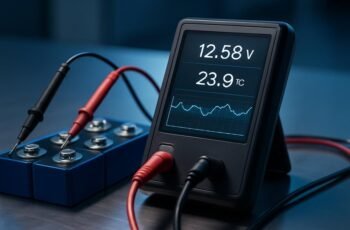
Extending battery life might be the most critical challenge in managing portable power sources today, yet it’s often overlooked until failure strikes. We recognize that optimizing energy use requires precise calibration, strategic device management, and adopting alternative solutions. But what specific techniques can consistently improve longevity and reliability? Exploring these strategies reveals a nuanced approach essential for maintaining performance in an increasingly mobile world — and the key to avoiding unexpected power setbacks.
Key Takeaways
- Regularly calibrate batteries by fully discharging and recharging to maintain accurate capacity readings.
- Use power-saving modes and reduce device brightness during critical moments to conserve energy.
- Choose high-quality, fast-charging power banks suited to your device’s capacity needs.
- Avoid extreme temperatures to prevent battery stress and degradation.
- Update device firmware and optimize charging habits to prolong battery lifespan.
How to Choose the Right Portable Power Source for Your Needs
Selecting the appropriate portable power source requires a clear understanding of your specific energy demands and usage patterns. We evaluate whether wireless charging capabilities align with convenience needs and consider the device’s power consumption to determine capacity requirements. For frequent travelers, compact power banks with fast-charging features are ideal, while high-capacity units suit prolonged use. Battery recycling becomes essential when assessing environmental impact and device longevity, emphasizing the importance of choosing brands committed to sustainable practices. Additionally, understanding the balance between portability and output ensures maximum performance. By analyzing these factors, we can make informed decisions that maximize efficiency, minimize waste, and support sustainable energy practices, ensuring your portable power source effectively meets your daily or on-the-go demands without unnecessary redundancy.
Tips for Maximizing Battery Life on Power Banks and Devices
Maximizing the battery life of power banks and devices requires a strategic approach to usage and maintenance. Proper battery calibration ensures accurate capacity readings, preventing overestimation or underestimation of remaining charge. Regularly calibrate by fully discharging and then fully charging the device to reset the battery’s reporting system. Utilizing power saving apps can optimize energy consumption by controlling background processes, adjusting screen brightness, and managing app activity. These apps help reduce unnecessary power drain, extending operational time. Additionally, avoiding extreme temperatures and unplugging devices once fully charged prevent undue stress on the battery. Combining calibration techniques with intelligent power management enables sustained performance and prolongs overall battery lifespan, ultimately maximizing efficiency and reliability of your power banks and devices.
Leveraging Solar Chargers and Alternative Technologies to Extend Power
As renewable energy technologies advance, leveraging solar chargers and alternative power sources becomes an increasingly viable strategy to extend device operation in off-grid or emergency scenarios. Solar panel innovations, such as higher efficiency cells and flexible designs, enhance energy capture and usability. Integrating alternative energy sources, like portable wind turbines or kinetic chargers, diversifies power options. This approach optimizes energy harvesting, reduces reliance on traditional batteries, and improves sustainability. Below is a comparison of key technologies:
| Technology | Advantages | Limitations |
|---|---|---|
| Solar Panel Innovations | Higher efficiency, portability, durability | Weather-dependent, initial cost |
| Wind Turbines | Continuous energy in windy conditions | Size, noise, setup complexity |
| Kinetic Chargers | Quick recharge, versatile use | Limited energy output |
| Fuel Cells | Consistent power, long-term use | Cost, fuel availability |
| Thermoelectric Devices | Converts heat to electricity | Low efficiency |
Practical Strategies for Managing Power Usage During Critical Moments
When facing critical moments where device power is limited, effective management of energy consumption becomes vital to guarantee continued operation. Implementing energy conservation techniques is essential, such as disabling non-essential functions, reducing screen brightness, and activating power-saving modes. Device optimization involves streamlining background processes and minimizing resource-intensive applications, which collectively reduce power draw. Prioritizing essential tasks ensures that energy is allocated efficiently during these moments. Additionally, leveraging hardware features like low-power states and optimizing network connectivity—such as turning off Wi-Fi or Bluetooth when unused—further conserves energy. These strategies require a technical understanding of device capabilities and targeted adjustments, enabling users to extend operational time precisely when it’s most critical, without compromising core functionalities.
Troubleshooting Common Battery Life Issues and When to Upgrade
Battery life issues often stem from underlying hardware or software inefficiencies that develop over time, making troubleshooting a necessary step before contemplating an upgrade. Battery degradation, caused by repeated charging cycles, reduces overall capacity and performance, leading to faster power drain. To diagnose, we check for abnormal drain patterns, which may indicate faulty software or background processes. Calibration issues can also skew battery readings, so recalibrating the battery helps ensure accurate health assessments. If troubleshooting reveals significant capacity loss—typically below 80% of original capacity after extensive charging cycles—it may be be time to consider an upgrade. However, before replacing the battery, verifying proper charging habits and updating firmware can extend device longevity. Recognizing these indicators guarantees timely decision-making, optimizing performance and avoiding premature hardware replacements.
Frequently Asked Questions
How Do Temperature Changes Affect Portable Power Bank Performance?
Temperature effects markedly influence power stability; high temperatures can cause overheating and capacity loss, while low temperatures reduce chemical reactions, decreasing efficiency. We analyze these factors to optimize portable power bank performance amid varying thermal conditions.
What Safety Precautions Should I Take With High-Capacity Power Banks?
We recommend proper battery storage, avoiding extreme temperatures, and charging safety protocols like using certified chargers and not overcharging. These precautions minimize risks, preserve capacity, and guarantee safe, reliable high-capacity power bank performance over time.
Can I Safely Combine Multiple Power Sources for Longer Usage?
Absolutely, we can safely combine multiple power sources, but only when power source compatibility and charging synchronization are meticulously managed. This guarantees efficient energy flow, prevents damage, and optimizes usage, transforming complex setups into harmonious, reliable power solutions.
How Does Device Age Impact Battery Efficiency Over Time?
Device age causes battery degradation, reducing efficiency over time. As charging cycles accumulate, capacity diminishes, leading to shorter usage periods. We analyze these factors to optimize performance and extend overall battery lifespan effectively.
Are There Eco-Friendly Options for Portable Power Solutions?
We explore eco-friendly portable power options utilizing renewable energy sources and eco-friendly materials, which reduce environmental impact. These solutions offer sustainable, efficient energy storage, aligning with ecological standards while maintaining performance, making them ideal for environmentally conscious users.
Conclusion
By understanding and applying these strategic principles, we can transform our portable batteries into resilient energy reservoirs, ready to power our demands. Like skilled navigators steering through turbulent waters, careful calibration, smart usage, and embracing innovative solutions guarantee our power sources stay robust and reliable. In this energy landscape, proactive management isn’t just an option—it’s our compass to sustained performance, guiding us confidently through the inevitable ebbs and flows of device demands.